
Resources
Blog
Insights on events, technology, and the future of gathering
Latest articles
Insights on events, technology, and the future of gathering
Quick answer: Before launching an in-person event, answer seven planning questions: what you gain from hosting it, who the target audience is, how you will manage the budget, how you will measure success, which event tools you will use, what contingency plans you have, and how you will handle post-event follow-up.
Organizing and hosting an event can be quite a challenge, but the rewards it brings are priceless. Events have a rare ability to create lasting memories and meaningful connections, and a successful in-person event starts with careful thought and preparation long before the doors open.
Before you jump into the nitty-gritty of planning, work through the seven questions below. The answers will shape every decision that follows, from venue selection to post-event follow-up.
Start by pinning down what an in-person format actually buys you. The clearer the benefits, the easier every later trade-off becomes. Five stand out:
In-person events provide a remarkable opportunity to connect directly with your intended audience. Face-to-face interactions create a personal, unforgettable experience and significantly increase the chances of building meaningful relationships.
Meeting in the same room lets attendees network, share ideas, and collaborate. This interpersonal interaction fosters meaningful connections and can lead to valuable business relationships.
Gathering feedback from attendees is easier on site. Real-time conversations and on-site surveys give you instant input that is invaluable for improving your products, services, or future events.
In-person events often attract sponsors seeking exposure to a relevant audience. Hosting an event gives you a platform for sponsors to showcase their products or services while you benefit from their financial support.
Attendees share their experience on social media and by word of mouth, which generates buzz, expands your reach, and attracts potential customers, partners, and media attention. In-person events also offer ample branding and marketing opportunities, reinforcing your brand’s visibility.
A successful in-person event is built on a deep understanding of who it is for. Get to know the demographics, interests, and preferences of your intended attendees: this information shapes venue selection, presentation content, and marketing strategy alike. Aligning the event with the expectations of your target audience makes an engaging experience far more likely.
A budget is your main tool for decision-making, fund allocation, and post-event assessment. It guides expenditure, determines how funds are distributed, and keeps the whole event planning process inside reasonable financial limits.
Allocate funds to critical items like venue rental, equipment, marketing, and catering, and explore diverse funding methods, such as ticket sales, sponsor contributions, and partnerships, to supplement the budget and open alternative revenue streams. Always leave room for unexpected expenses and contingencies, and revisit the numbers as planning progresses so operations stay smooth and sustainable.
Success only counts if you can prove it. Combine several methods and metrics:
Clearly define your event’s goals and objectives before it begins. Whether you aim for attendee satisfaction, lead generation, brand exposure, or revenue, these goals are the baseline success is measured against.
Surveys and feedback forms let you assess participant satisfaction, identify areas for improvement, and gather testimonials. Use online survey tools or traditional paper forms to capture valuable insights.
Keep an eye on the event’s hashtag, track engagement, and analyze sentiment before, during, and after the event to evaluate the buzz and overall reception.
After the event concludes, the real work begins. Measure post-event data against your predefined goals: registration numbers, session attendance rates, sales leads generated, media coverage, and revenue earned. This analysis shows the event’s impact and where to improve.
For recurring events, compare metrics from year to year. Trends in attendee satisfaction, participation, and revenue show how the event is evolving and where to focus development next.
Event management software collects valuable data across the whole event lifecycle. Analyzing attendee behavior, resource usage patterns, and energy consumption highlights where you can reduce the event’s environmental footprint, from optimizing transport logistics to encouraging sustainable behavior among participants.
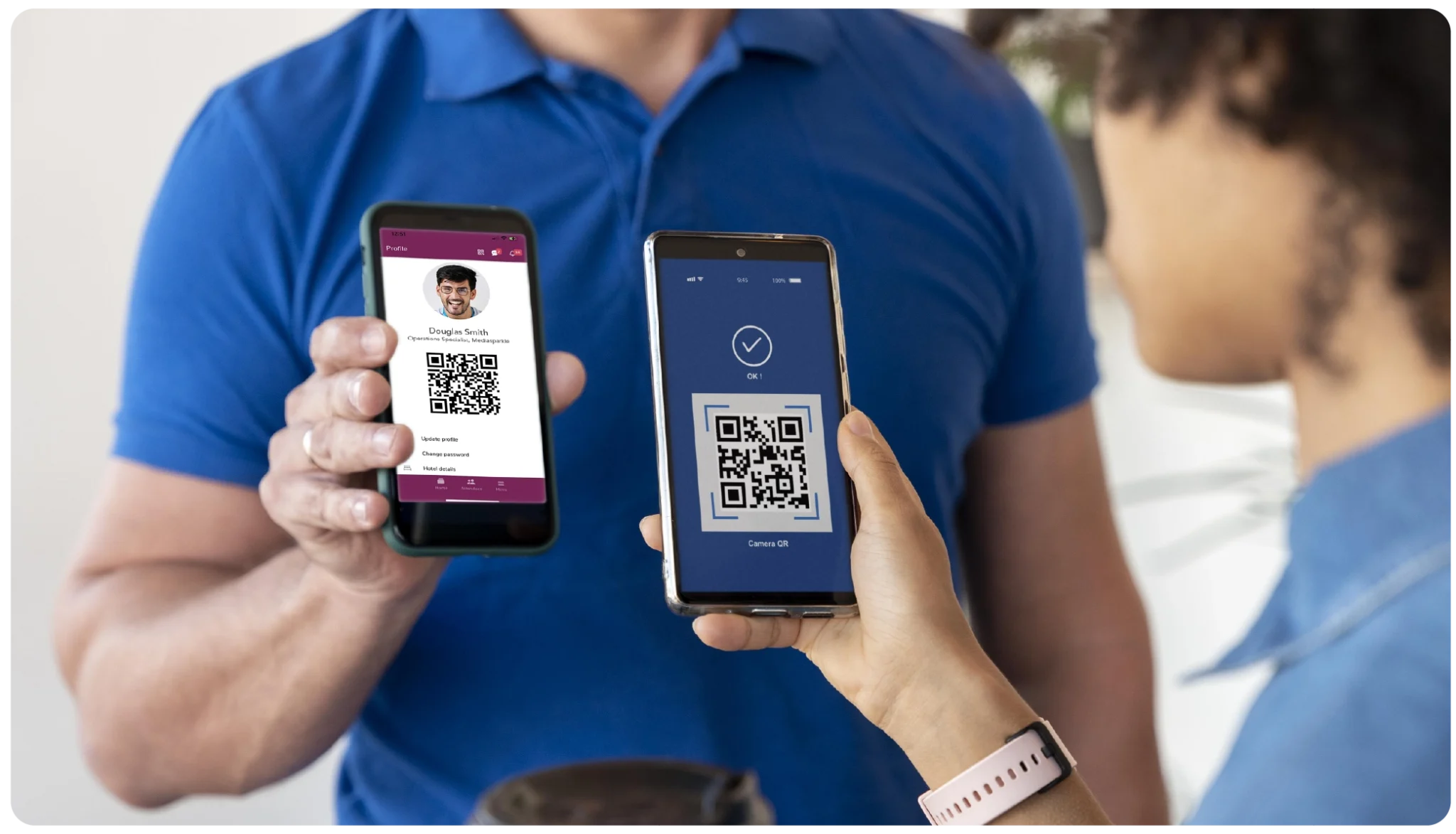
Canapii’s event app serves as a convenient companion, providing personalized schedules, session reminders, and interactive features for attendees. Gamification elements add excitement and lift engagement, while QR lead scanning makes capturing leads simple for exhibitors and sponsors. Canapii has powered 2,000+ events for 300,000+ attendees across 45+ countries, so the tools are proven at every scale.
Even with thorough planning, unforeseen circumstances can occur during an in-person event. Conduct a thorough risk assessment covering weather, technical failures, venue issues, and emergencies, and prioritize the areas needing attention. Preventive measures such as safety inspections, backup equipment, security protocols, and staff training minimize the impact when something does go wrong.
Develop comprehensive contingency plans with step-by-step procedures and clear responsibilities, and establish effective communication channels for sharing critical information. Test and evaluate the plans regularly and refine them as the event approaches: comprehensive contingency planning significantly reduces the chance of unexpected circumstances affecting your event’s success.
Post-event follow-up is the phase that turns a good event into long-term value. Create a clear strategy for post-event communication to keep attendees engaged and maintain the event’s momentum: send personalized thank-you emails, share highlights on social media, and run post-event surveys to collect feedback. Video on demand lets you share session content afterwards and invite attendees to future events.
Finally, evaluate the event against your predefined metrics and share the insights with stakeholders. This feedback loop not only sharpens future event planning but also strengthens relationships with attendees and sponsors.
Ask what you gain from hosting it, who the target audience is, how the budget will be managed, how success will be measured, which event tools you will use, what contingency plans exist, and how post-event follow-up will be handled.
Set goals before the event, then measure against them with attendee surveys, social media monitoring, and post-event data such as registrations, session attendance, leads, and revenue. For recurring events, compare results year on year.
Weather, technical failures, venue issues, and emergencies can affect even a well-planned event. A tested contingency plan with clear responsibilities and communication channels stops disruption from derailing the attendee experience.
An event management platform that covers registration, a mobile event app, gamification, QR lead scanning, and analytics. Canapii combines all of these with 24/7 support and scales to events of 10,000+ attendees.
From registration and check-in to QR lead scanning and post-event analytics, Canapii keeps every stage of your in-person event on one platform. Get a demo to see how it fits your next event.