
Resources
Blog
Insights on events, technology, and the future of gathering
Latest articles
Insights on events, technology, and the future of gathering
Quick answer: Event technology is changing the event industry by digitising every stage of planning and delivery. The nine biggest shifts are online registration, mobile ticketing, centralised production, virtual attendance, live streaming, data collection and analytics, event apps, social media integration, and gamification - together making events easier to run and more engaging to attend.
Event technology is revolutionising the event industry. From virtual reality to artificial intelligence to mobile event apps, advances in technology are transforming the way events are planned and executed. New event technology tools help deliver an interactive, innovative and memorable experience for attendees - and event planners should take stock of what is available to them. Below we walk through nine ways event technology is changing the event industry for the better.
Event technology is the software and digital tools used to plan, run and measure events. It covers everything from online registration portals and mobile ticketing to live streaming platforms, event apps, analytics dashboards and gamification. Together, these tools cut manual work for organisers and make events more interactive for attendees.
Event registration technology lets organisers save time and money while giving attendees a better sign-up experience. Registration tools are now largely digital - online portals and mobile apps - so organisers can streamline operations, track ticket sales and monitor event analytics from one place.
Registration also plays a role in marketing and branding the event. It is the first touchpoint attendees have with you, so a smooth, on-brand sign-up flow makes a strong first impression and sets the tone for what your attendees will experience.
Mobile ticketing via event apps makes entry simpler and more efficient than ever before. The majority of people own mobile devices and are comfortable using them to complete everyday tasks, from making purchases to checking information - and event tickets are no different.
With the rise of mobile technology, organisers can quickly create tickets and distribute them digitally. Attendees get faster access to events and better overall customer service, while promoters gain new revenue opportunities. Digital tickets also reduce the potential for fraud from false or duplicated tickets, and drive down the costs associated with physical tickets and traditional scanning devices.
There is now an event app or software solution for almost every task - ticketing, registration, payments, scheduling, announcements and surveys. Using a centralised event planning solution like Canapii puts all of your priorities in a single place, helping you save time and money while staying organised.
What's more, you can apply the same event planning technology to any type of event - in-person, online or hybrid - of any size. Canapii alone has powered 2,000+ events for 300,000+ attendees across 45+ countries.
Virtual attendance lets people join an event from anywhere, regardless of geographic location. If COVID had happened 20 years earlier, the event industry would have been brought to a sudden standstill; luckily, the technology needed to run virtual events was already in place and allowed many shows to go on.
Virtual events were trending hot before the pandemic, and the format remains strong even though many in-person events have returned. It gives planners an edge because geography no longer limits the audience - and peer-reviewed research found that moving a conference fully online can cut its carbon footprint by around 94% (Nature Communications, 2021).
Alongside virtual attendance, live streaming event technology lets a virtual audience enjoy some or all of an in-person event in real time, engaging with the action and feeling part of it as it unfolds.

Unlike virtual events, which can be live or available on demand, live streaming is completely in the moment. That creates great marketing opportunities for organisers who want to hone in on a special moment during an event - spread brand awareness and get everyone excited about key event segments.
Event technology not only simplifies the task of collecting data, but also turns it into valuable insight about event performance. Planners can see important details at a glance, such as attendance numbers, feedback surveys and real-time analytics during an event, making it easier to identify areas for improvement and adjust on the fly.
That same data helps planners better understand their audience's preferences, so every event sharpens the next one.
Event apps give organisers one place to manage an event from start to finish while staying in touch with attendees throughout - which is why more and more planners rely on them.
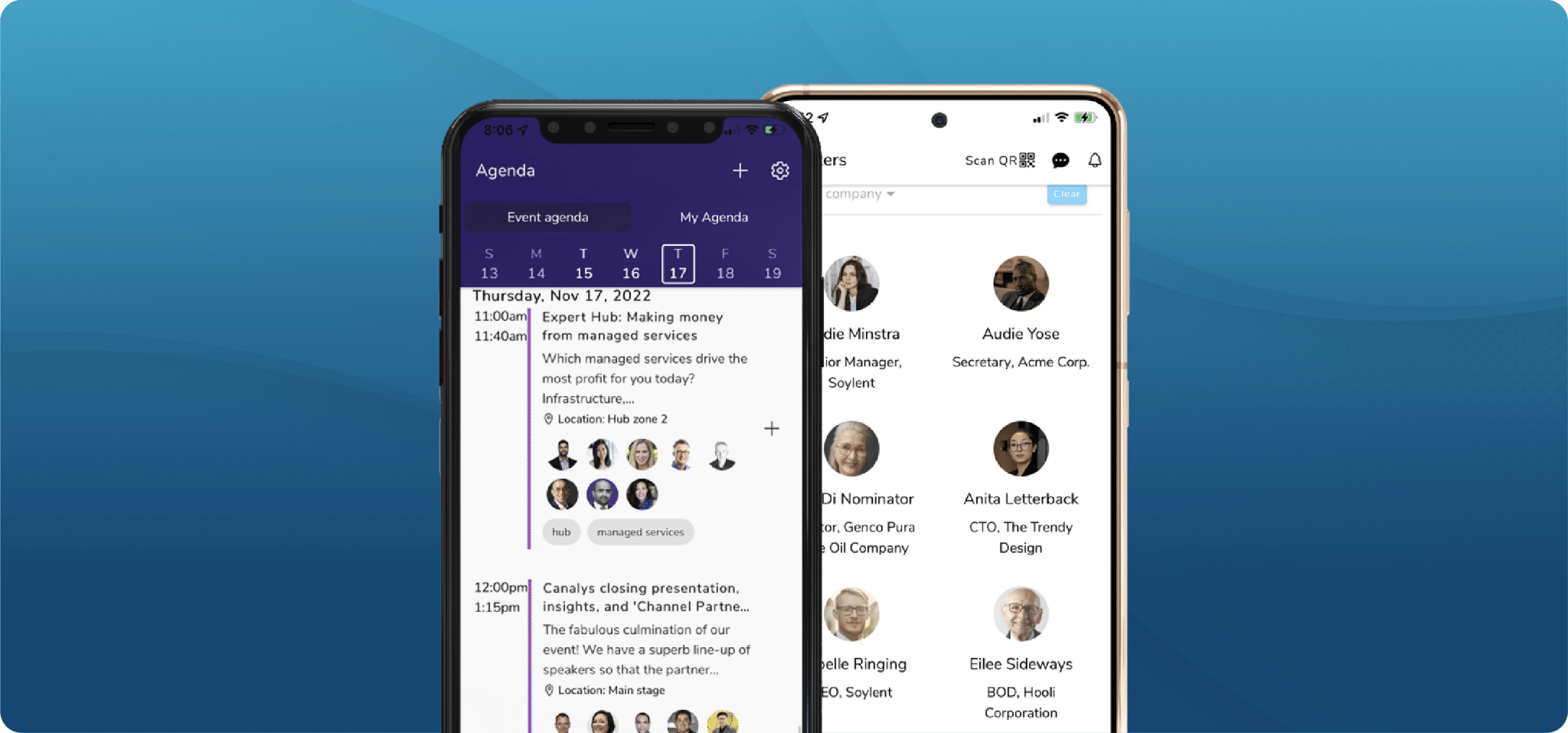
A single app provides a variety of features in one place - ticketing, registration, live feeds, event photos and videos, schedules, interactive polls, maps and even user-generated content. Organisers can also customise their events with branding options like logos or custom backgrounds.
Plus, the more your attendees use your event app, the more data you can collect about your event and use to improve future ones.
Event technology is more valuable when it integrates with other tools and technology you are already using, and social media is a prime example. Integrating your social channels with your event platform makes content sharing seamless: attendees can post photos and videos in the event app feed and on your channels, you can collect leads and sign-ups from social media, and you can keep everyone informed about dates, times and deadlines in the run-up to the event.
Social media plays a big role in promoting events and encouraging engagement among attendees, so these integrations save your marketing team a ton of time and make for a better overall user experience.
More and more companies are turning to event app gamification as a way to engage guests and make events more enjoyable. Event technology makes the process much simpler, letting planners set up game-based activities with minimal effort.
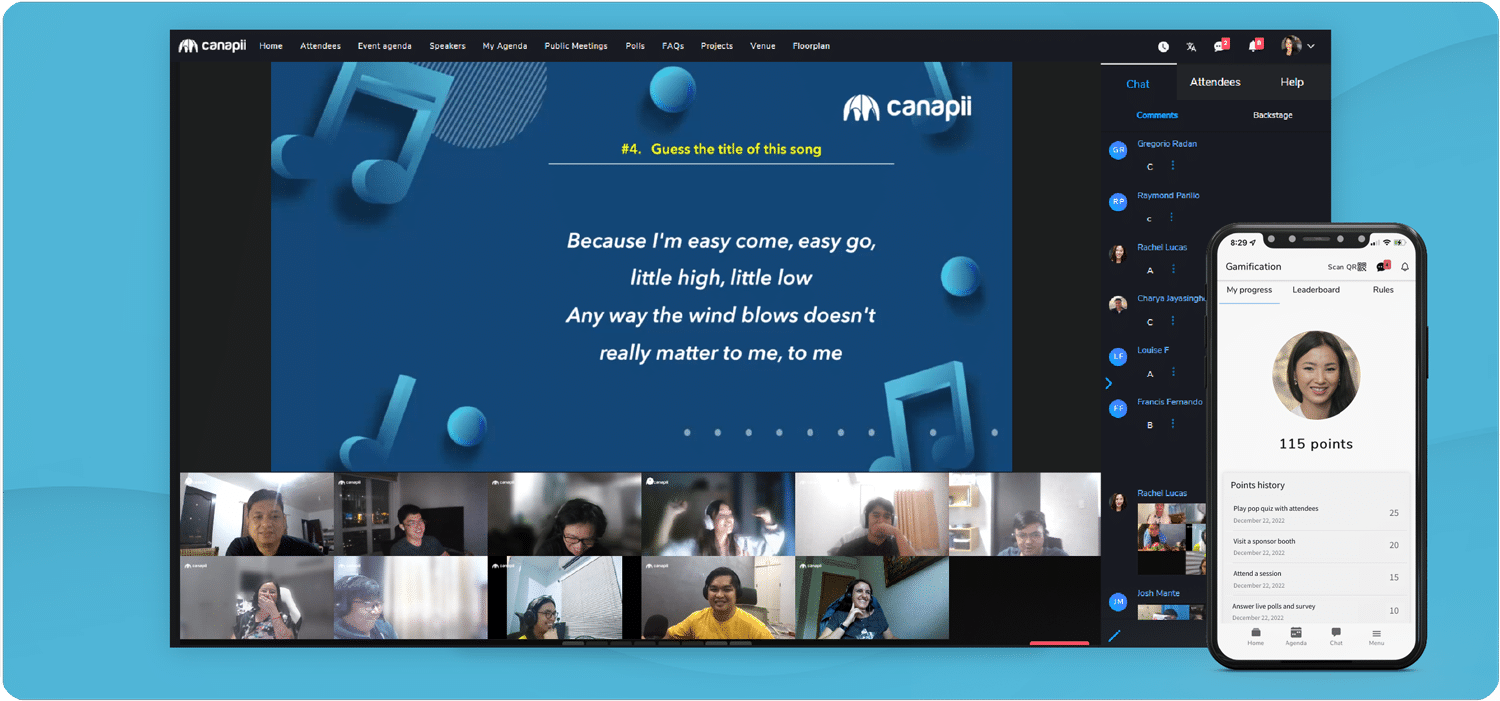
Planners can create an environment that encourages friendly competition and puts attendees in a fun, energised atmosphere - think team challenges involving trivia quizzes or virtual scavenger hunts. These activities entertain attendees and promote group bonding, while the technology keeps track of progress throughout the game.
Event technology is the software and digital tools used to plan, run and measure events, including registration platforms, mobile ticketing, event apps, live streaming, analytics and gamification.
It is digitising every stage of the event lifecycle: registration and ticketing happen online, audiences join virtually or via live stream, apps keep attendees engaged, and analytics turn every event into data planners can learn from.
It saves time and money, improves the attendee experience from sign-up to follow-up, and produces data that helps planners understand their audience and improve future events.
Event gamification adds game-style activities - trivia quizzes, team challenges, virtual scavenger hunts - to an event, usually through the event app, to boost engagement and group bonding.
Yes. A centralised platform like Canapii applies the same technology to any format and any size of event, so planners can manage everything from a single place.
As a leader in event software, Canapii builds event technology that works the way you do - registration, ticketing, live streaming, event apps, analytics and gamification for in-person, virtual and hybrid events, all from a central location. Reach out to learn more and schedule a demo.