
Resources
Blog
Insights on events, technology, and the future of gathering
Latest articles
Insights on events, technology, and the future of gathering
Quick answer: Event management software supports sustainable events by replacing printed materials with digital communication, registration, and ticketing, optimizing how venues and resources are used, tracking waste, and turning event data into greener decisions. It also enables virtual and hybrid formats, which carry a far smaller carbon footprint than fully in-person events.
Sustainability has become a core consideration in event planning, and organizers are in a strong position to make a difference. Event management software is one of the most practical tools for the job: it takes paper out of the process, keeps resources in check, and opens up low-carbon event formats. Below we walk through seven ways it supports eco-friendly practices.
Digital communication removes the need for most printed materials. Invitations, schedules, agendas, and other event information can all be shared electronically through the platform, so nothing needs to go to print. Centralized communication channels also give organizers and stakeholders real-time updates in one place, cutting down on physical meetings and the resources that come with them.
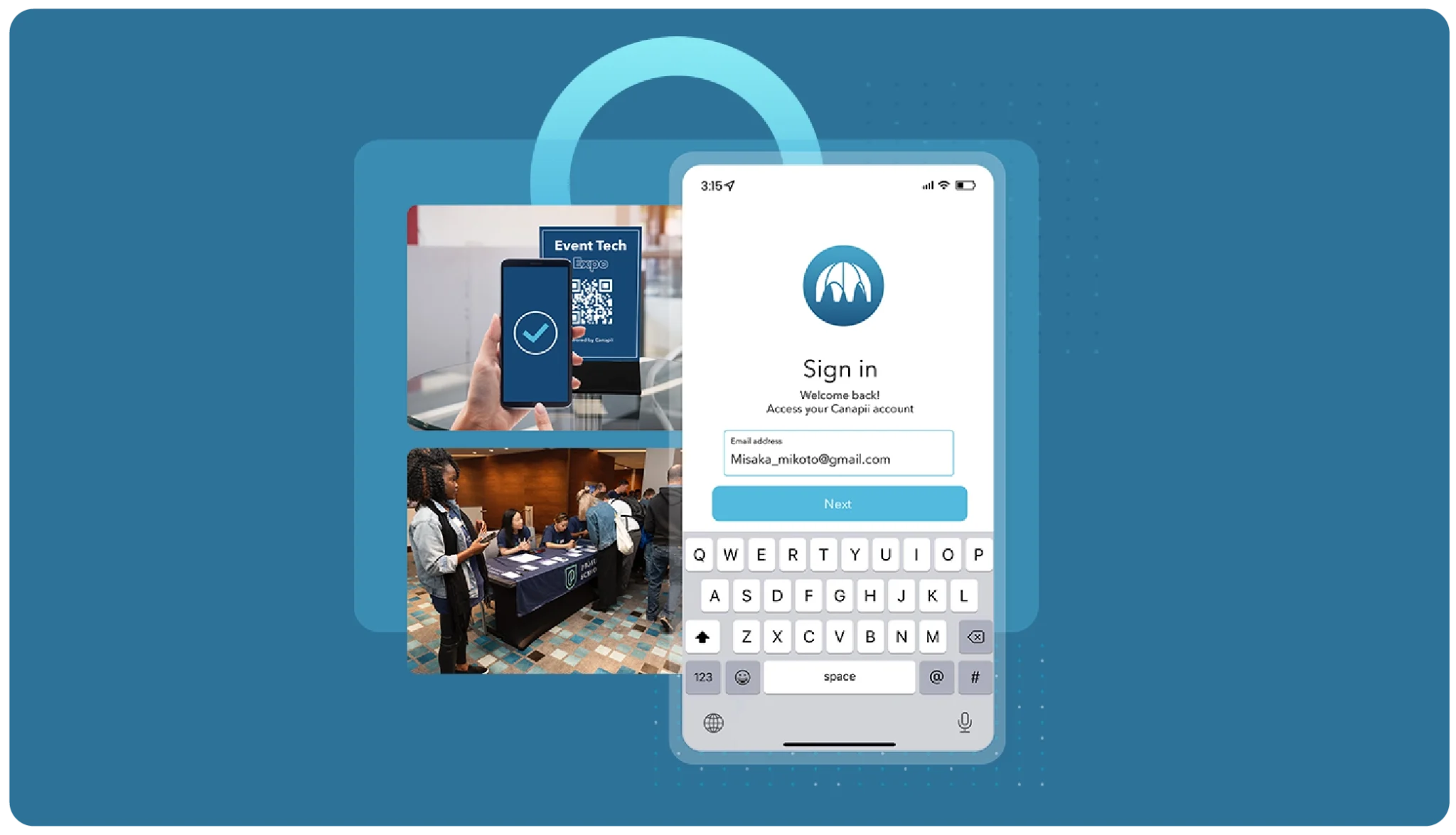
Online registration replaces the paperwork of traditional sign-up: printed forms, tickets, and receipts. With digital event registration, attendees register electronically and receive e-tickets they can scan straight from their phones, so nothing has to be printed and mailed. It is one of the quickest sustainability wins available, and it improves the attendee experience at the same time.
Managing resources well is central to sustainable event planning. Event management software gives organizers a single view of venues, equipment, and materials, with inventory tracking that shows what is actually being used. By optimizing how resources are allocated, event teams reduce waste and avoid unnecessary consumption, ordering what the event needs rather than overestimating and discarding the surplus.
Software can make responsible waste management part of the plan rather than an afterthought. Organizers can track the types and volumes of waste an event generates, then use that record to run recycling programs and reduce the overall environmental impact. When waste tracking lives inside the same event management platform as everything else, sustainable practices become a standard part of planning and execution.

Event management software collects data across the whole event lifecycle, and that data is the basis for greener decisions. Analyzing attendee behavior, resource usage, and energy consumption shows organizers exactly where the footprint sits, and where it can shrink. Those insights help optimize transportation logistics, trim energy use, and encourage sustainable behaviors among participants at the next event.
Virtual and hybrid formats are the single biggest lever for cutting an event’s footprint. Peer-reviewed research found that moving a conference fully online can cut its carbon footprint by around 94%, and a hybrid format with regional hubs by roughly 60–70% (Nature Communications, 2021). Event management software makes the shift practical: attendees join remotely instead of traveling to in-person events, with live streaming, virtual networking, and interactive sessions keeping the experience engaging. Canapii has powered 2,000+ events for 300,000+ attendees across 45+ countries, many of them virtual or hybrid.

Accountability turns good intentions into evidence. Event management software lets organizers track and report sustainability KPIs, such as carbon emissions, waste reduction, and energy consumption, accurately. The reports the software generates give stakeholders and participants proof of the event’s environmental efforts, and a baseline to improve on at future events.
It replaces printed invitations, forms, and tickets with digital versions, helps organizers track and optimize resources and waste, and provides the data needed to make greener decisions across the whole event lifecycle.
Yes. Peer-reviewed research in Nature Communications (2021) found that moving a conference fully online cuts its carbon footprint by around 94%, while a hybrid format with regional hubs cuts it by roughly 60–70%.
Define KPIs such as carbon emissions, waste generated and recycled, and energy consumption, then use your event platform’s analytics and reporting to track them and share the results with stakeholders.
Yes. Digitizing registration and communications, managing resources carefully, and running waste-tracking and recycling programs all reduce an in-person event’s footprint, even without a virtual component.
Digitize registration and ticketing. It removes paper from the highest-volume touchpoint, is quick to set up on a platform like Canapii, and improves the attendee experience at the same time.
Canapii helps you run paper-free, low-carbon events without compromising the attendee experience, from digital registration to virtual and hybrid delivery. Get a demo to see how it fits your sustainability goals.