
Resources
Blog
Insights on events, technology, and the future of gathering
Latest articles
Insights on events, technology, and the future of gathering
Quick answer: To make an event inclusive and diverse, build a diverse organizing team, prioritize accessibility across venue and platform, book speakers from varied backgrounds, make presentation materials accessible, plan activities that suit every ability and personality, offer introvert-friendly networking, and collaborate with inclusivity experts. Inclusivity works best when it is planned from the start, not added later.
Accessibility and inclusivity have become crucial considerations in every aspect of life, and events are no exception. The primary objective of any gathering is an environment where everyone can participate and engage fully. Below are seven tried-and-true strategies to make your next event more diverse and inclusive.
People with disabilities (PWDs) often encounter barriers to accessing information, and as an event organizer it is your responsibility to remove them - whether you are organizing a team meeting or a major conference. Diversity enriches events in parallel: it expands your attendee base and brings in a variety of perspectives that make gatherings more captivating and interesting. Both work best when they are built into event planning from the outset rather than added as an afterthought.
A truly welcoming event begins with a team that represents a range of backgrounds and cultural perspectives. A diverse team brings innovation, distinct viewpoints, and stronger connections with clients, sponsors, speakers, and attendees. Integrate diversity deeply into your organization’s core values rather than treating it as a symbolic act, and designate an inclusivity advocate to keep the team focused on its inclusivity objectives and principles. Extending that commitment to diverse suppliers who share your dedication widens the impact further.

Accessibility is of utmost importance regardless of event format - in-person or virtual - and it should shape decisions from venue selection to platform choice.
Choose venues that are wheelchair accessible and offer ample parking. Keep pathways free of obstructions, with wide doorways and aisles to accommodate wheelchairs, scooters, canes, and service animals. Be mindful of strobe lights and dim lighting, which can pose challenges for people with vision impairments, epilepsy, and those on the autism spectrum. Use clear signage to provide directions and identify locations within the venue, and make sure projection screens are visible from every seat.
Design an accessible event website that caters to people of all abilities: thoughtful content structure, inclusive alt text on images, intuitive navigation, accessible fonts, and ample white space. Hire sign language interpreters and provide sign language support for virtual audiences. When selecting an event platform, it is vital for event organizers to understand what the platform offers and how it accommodates a truly diverse audience. Platforms like Canapii cover a wide range of the Web Content Accessibility Guidelines (WCAG 2.1) recommendations for making web content more accessible to everyone. Working closely with the venue and software partner ensures genuine inclusivity.
A diverse lineup of speakers and presenters adds depth and quality to your event while showcasing your dedication to inclusion. Seek individuals from various ethnicities, genders, and backgrounds to offer diverse perspectives and unique insights - a diverse roster sends a powerful message and enhances attendee engagement. Avoid all-male panels and tokenism, focusing instead on a speaker lineup that reflects your audience’s diversity.
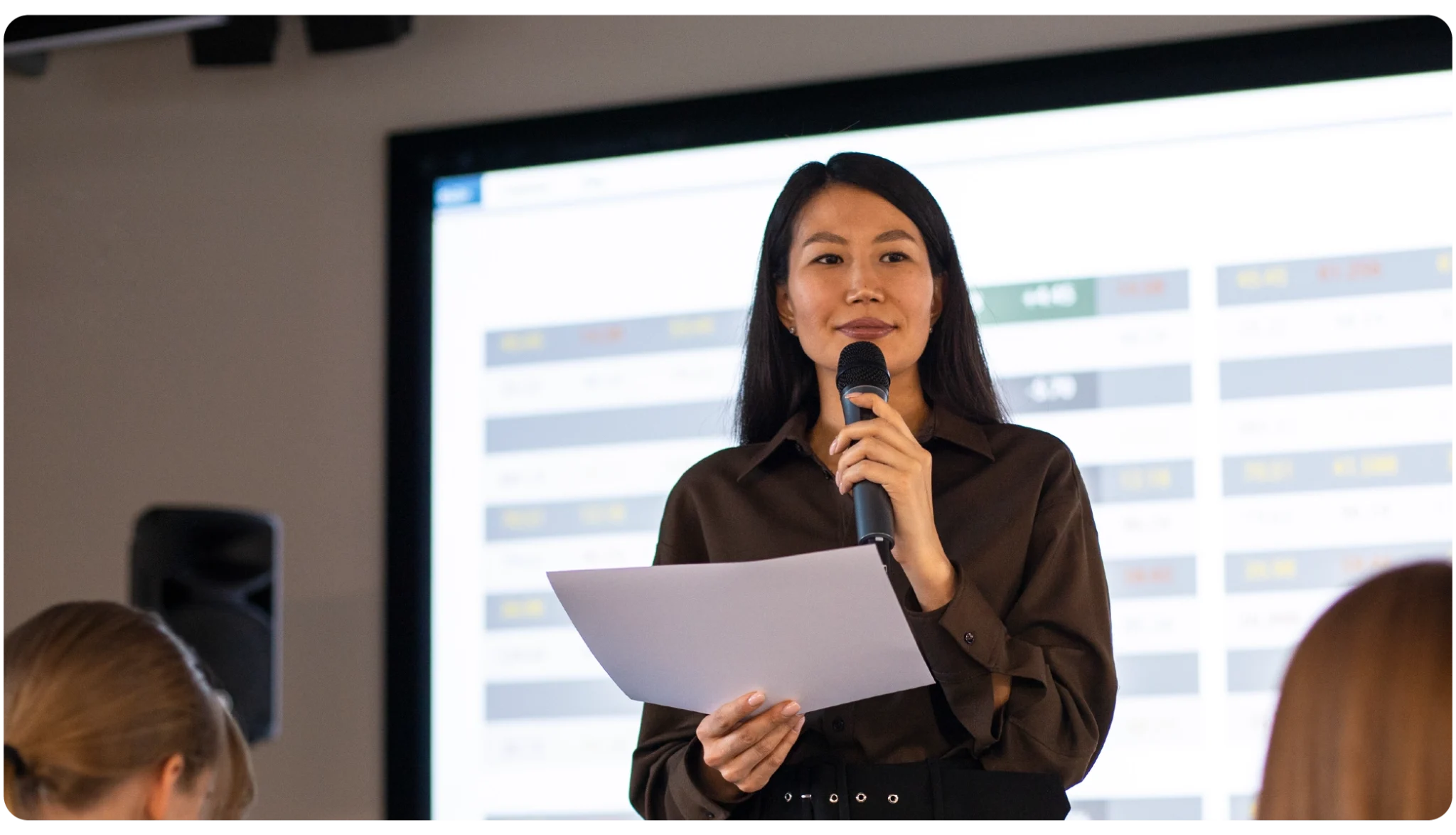
Accessible event materials start with fonts that are readable from every seat, high-quality images, and clear messaging. Incorporate audio descriptions so blind attendees can participate fully, and provide alternative sources such as real-time video streaming and braille materials to cater to diverse audiences.
A balanced program offers a variety of activities that cater to the needs of all attendees. Mix icebreakers, breakout sessions, competitions, and other accessible or multi-sensory activities, and gather input from a range of people to add richness to the agenda. Reach out to your guests about their comfort, level of participation, and any additional requirements, then use post-event surveys to learn from their feedback and make future events even more inclusive.
Inclusive networking recognizes different personality types, including introverts. Offer small, quiet spaces for relaxation and encourage pre-event networking through digital platforms so quieter attendees can make connections at their own pace. Personalizing the experience - addressing attendees by name and providing tailored content - helps everyone feel valued and engaged.
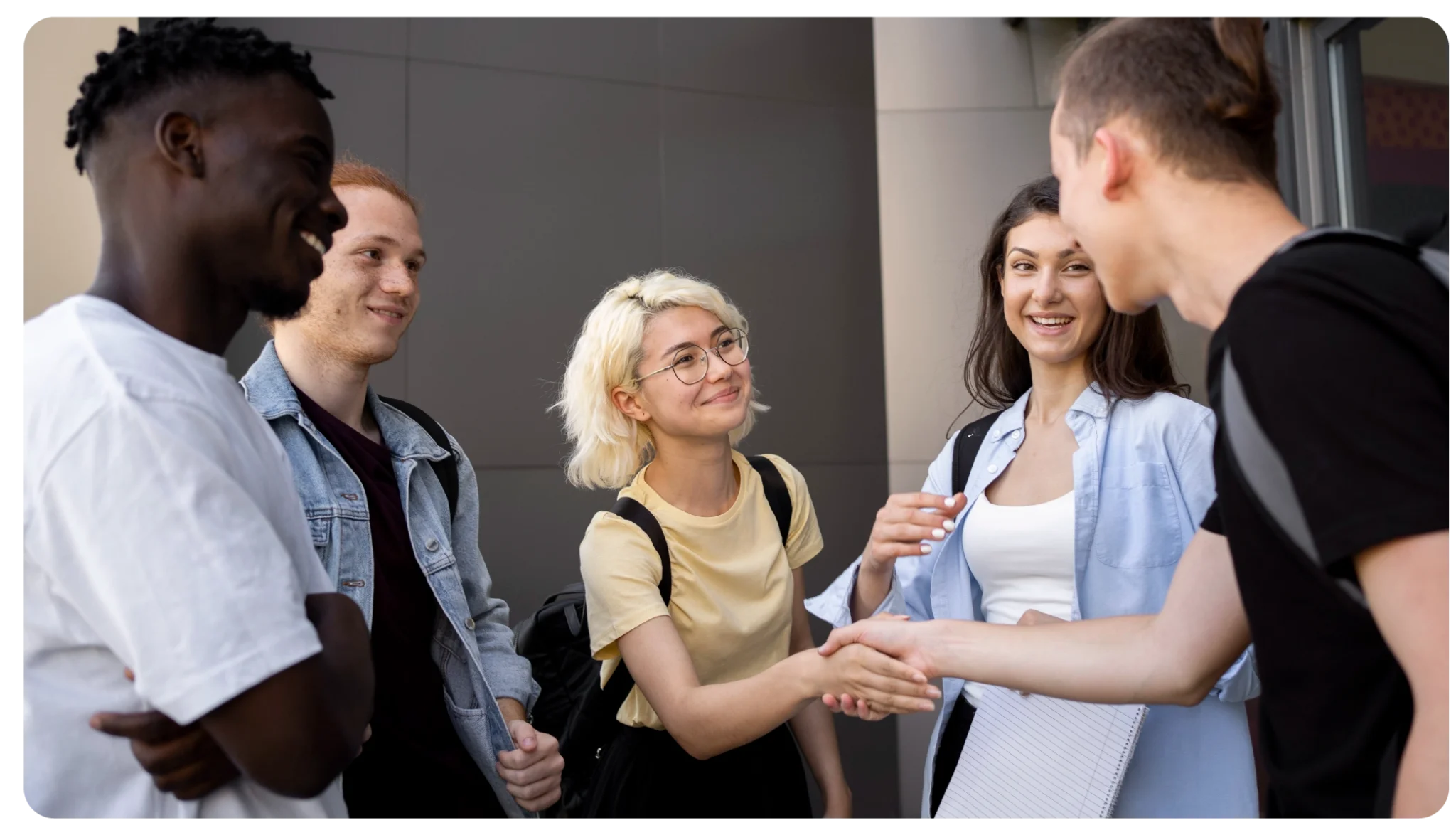
Creating an inclusive event is a collective effort. Seek help and collaboration from individuals and organizations dedicated to promoting inclusivity, and use their expertise to pressure-test your plans. Thoughtful communication that includes accessibility information, plus accessibility measures built in from the outset, creates an environment where everyone feels welcomed and valued - and normalizes diversity and inclusivity across all your events.
An inclusive event removes barriers to participation for everyone: an accessible venue or platform, a diverse team and speaker lineup, varied activity formats, and communication that includes accessibility information. Inclusivity is planned from the first decision, not bolted on at the end.
Design an accessible event website with clear content structure, alt text on images, intuitive navigation, and readable fonts; provide sign language support; and choose a platform that follows the Web Content Accessibility Guidelines (WCAG 2.1), as Canapii does.
Speakers from varied ethnicities, genders, and backgrounds bring perspectives your audience would not hear from a uniform lineup. A diverse roster also signals your commitment to inclusion and helps attendees see themselves represented on stage.
Provide small, quiet spaces to recharge, enable pre-event networking through digital channels, and personalize the experience with tailored content, so quieter attendees can connect on their own terms.
Ask your attendees. Inquire about their comfort, participation, and any unmet requirements, and run post-event surveys. Their feedback shows where barriers remain and how to remove them next time.
Canapii has powered 2,000+ events for 300,000+ attendees across 45+ countries, with accessibility built into the platform. For expert advice on making your next event more inclusive, contact us today.