
Resources
Blog
Insights on events, technology, and the future of gathering
Latest articles
Quick answer: The best ways to promote an event are early bird registration, email marketing, newsletters, content marketing, podcasts, competitions, live streaming, influencer partnerships, pre-event gifts, sponsor co-promotion, social media advertising, retargeting ads, and press releases. Start early, lead with what attendees will gain, and link every channel straight to registration.
The success of every event hinges on what happens before it begins. Good promotion sells tickets, gets people through the door, and makes people feel excited about what they're going to experience - whether you're running a virtual, hybrid, or in-person event.
Canapii's all-inclusive event platform can help you execute many of these ideas. It doubles as an event registration platform and event execution software, letting you manage entire events from a single interface - an approach that has powered 2,000+ events for 300,000+ attendees across 45+ countries. Here are 13 creative ideas to take your event promotion to the next level.
Early bird registration pairs a special offer or discount with an early deadline, and it reliably does three things for your event.
First, you'll likely see an increase in registrations, because people are more willing to sign up early when there's a discount involved. Second, early bird registrants are more likely to actually attend than late bookers - they've already paid for their ticket and acted on your offer, so the commitment is made.
Finally, early bird registration gives you an early read on how many people plan to attend. That lets you make the necessary preparations well in advance so everything runs smoothly on the day of the event.
Email marketing lets you announce your event directly to people who have already opted in to hear from you, which is why it consistently ranks among the most effective digital channels for event promotion.
Promoting your event through email is a cost-effective way to reach your target audience and generate attendance or ticket sales. You can also personalize the message you send to each recipient, which helps increase the response rate.
When creating your promotional email, be sure to include all the important details about the event, such as the date, time, and location - plus a direct link to registration.
Newsletters put your event in front of a large audience of readers who may not have heard about it otherwise. That could be a company newsletter, a local community newsletter, or an industry-specific one.
It's a great way to keep people updated on your event, generate some hype, and let readers know exactly how they can sign up.
Content marketing attracts attention by giving people something genuinely interesting or useful, then pointing them towards your event. It can take many forms - blog posts, videos, infographics, or social media posts - so experiment to see what resonates with your audience.
Whatever the format, focus on the benefits of attending. Answer questions like: why should people attend? What will they learn or experience? Who will be speaking or providing entertainment? What will people walk away with?
Some best practices for content marketing in event promotion:
Make sure your content is high quality and relevant to your target audience.
Proofread it carefully before publishing it online.
Promote your content through social media and other channels.
Share it with your friends and followers, and ask them to share it with their networks too.
Pay to promote your content via ads to grow your reach even more.
Keep the messaging simple by letting potential attendees know what's in it for them.
No matter what you create - a blog post, landing page, or social media post - make it easy for prospects to act: link directly to a sign-up page or share the URL where they can register.
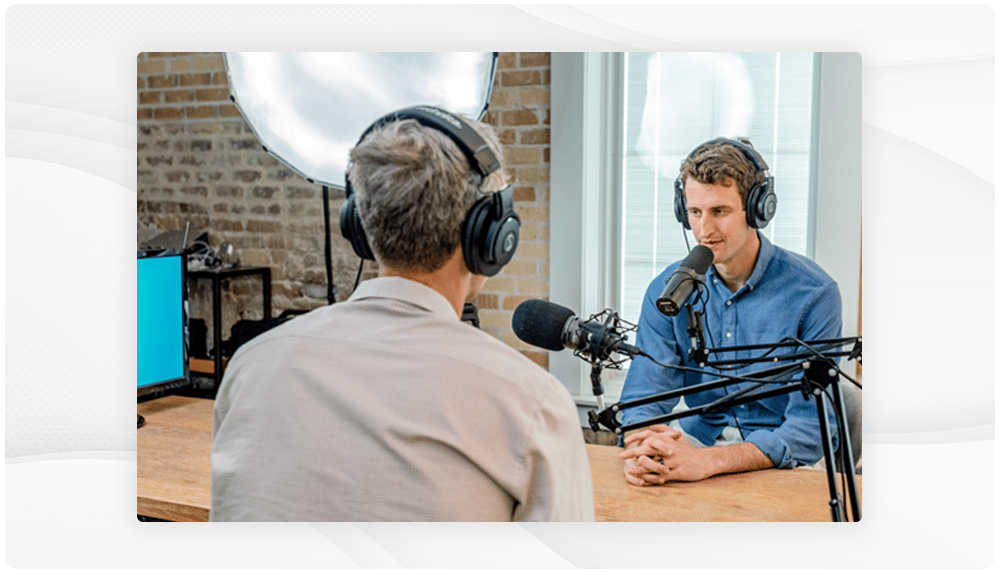
Podcasts are an overlooked way to promote your event to a large, engaged audience. Listeners are typically invested in the content they've chosen, so a show relevant to your niche puts your event in front of exactly the right people.
A podcast appearance also gives you far more room than a flyer or ad. Talk about your event, what makes it special, and why people should attend - and let listeners hear your excitement so they can get excited too.
Start by finding podcasts that are relevant to your niche, then reach out to the hosts and see if they'd be interested in having you on as a guest.
Competitions generate interest in your event and are a lot of fun for attendees. They get people engaged early in the process, and participants may even score free event admission or other prizes.
Competitions are also a great way to highlight your organization or business. For instance, you might get a partner to sponsor a prize or add their branding to the competition.
There are all sorts of competitions you can host, from trivia contests to bake-offs. Brainstorm some ideas and choose the ones that will work best for your event.
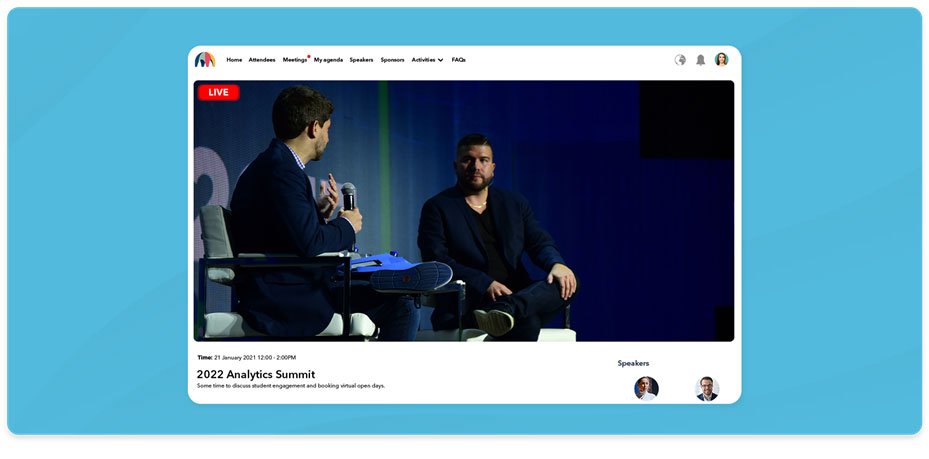
Live streaming promotes your event by letting people watch it unfold in real time, wherever they are.
It allows people who can't attend in person to still see what's happening - especially useful for events taking place in another city or country. Seeing things happen live also creates a sense of urgency that makes potential attendees more likely to want to participate.
Finally, live streaming generates interest in future events. A sneak peek of what's to come builds excitement and anticipation for your next gathering.
Influencers - people with a large following on social media or other channels - can get the word out about your event and attract more attendees.
The benefits stack up. Influencers help you reach a larger audience whose interests already match your event. They also tend to have a strong connection with their followers, who are more likely to trust their recommendation and attend.
And because influencers know the best ways to connect with their audience, they can drive genuine excitement around what you're offering.
Giving away free gifts draws attention to your event and incentivizes people to sign up early while the gifts are still available. Because who doesn't like free stuff?
Gifts are a powerful marketing tool with real staying power: your audience keeps them long after the event is over, so your event stays top of mind for days, weeks, even months or longer.
Free gifts also build anticipation among guests, show your appreciation for their attendance - which makes them more likely to return in the future - and, chosen wisely, create brand awareness for your company or organization throughout the event.
Sponsorship is an arrangement in which a company or organization provides financial support for your event in exchange for advertising or marketing rights - and it strengthens your promotion in two ways.
First, sponsors help you reach a larger audience. Companies sponsor events with the intention of reaching new customers, so they will often advertise the event to their own followers and customers. More people learn about your event and, as a result, attend it.
Second, sponsorship helps you generate more revenue. Financial support in exchange for marketing rights means extra funding for your event while sign-ups grow.
Social media is one of the easiest and most cost-effective ways to market an event at scale, whether you're running virtual events, hybrid events, or in-person events.
Start by creating a dedicated social media event page with everything potential attendees need: the date, time, location, a description of what to expect, and a direct link to the sign-up page.
From there, use posts to create buzz and reach new audiences, and take advantage of built-in social analytics to see how many people are viewing and engaging with your content. Social platforms also let attendees interact and share their experiences, which helps persuade others to attend and creates a community around your event.
Retargeting places ads in front of people who visited your website or clicked a link related to your event but didn't convert. These individuals have already expressed interest, so they are more likely to attend.
It's also a cost-effective way to reach potential attendees, because you target the people most likely to register at a lower cost than traditional advertising methods.
Press releases get the word out to local media outlets while building excitement among your attendees - highly sought-after media coverage for very little effort.
When writing a press release, include all the important details about your event, such as the date, time, and location, and highlight any special guests or speakers who will be in attendance. If you have press quotes or testimonials from past events, include them too - and make sure to provide contact information for anyone who wants more information.
As early as possible - ideally as soon as the date, venue, and headline content are confirmed. An early start gives early bird registration time to work and lets you layer channels like email, content, podcasts, and social media as the event approaches.
Email marketing to people who have already opted in is consistently one of the strongest channels, because you reach an audience that is already interested. It works best paired with social media advertising and retargeting to capture new audiences.
Lean on low-cost channels: email your existing list, feature the event in newsletters, publish organic content and social posts, appear as a podcast guest, and distribute a press release. Co-promotion with partners and sponsors also extends your reach without extra ad spend.
Retargeting ads are shown to people who visited your event page or clicked an event link but did not register. Because they have already expressed interest, they are more likely to convert than a cold audience, at a lower cost than traditional advertising.
An all-in-one platform like Canapii combines registration, ticketing, sponsor visibility, live streaming, and analytics, so every promotion channel can link straight to sign-up and you can measure which channels actually drive attendance.
At Canapii, we designed our event management software to make light work of event promotion, from registration and ticketing through to live streaming and analytics. Get a demo today and take your event promotion to new heights.