
Resources
Blog
Insights on events, technology, and the future of gathering
Latest articles
Insights on events, technology, and the future of gathering
Quick answer: A hybrid event combines in-person and virtual attendance, letting each person choose how they take part. The main benefits are wider reach, higher engagement, reusable content, stronger sponsorship value, better ROI, flexible budgets, lower environmental impact, accessible networking, easier speaker booking, greater inclusivity, and richer event data.
Hybrid events have changed how organizations gather. They pair in-person connection with the convenience of remote access, so attendees join in whatever way suits them. More teams now treat hybrid as a default rather than an experiment. Below we explain what a hybrid event is and walk through the 12 benefits that earn it a place in your event strategy.
A hybrid event is any event that offers both in-person and virtual attendance, so people can attend on site or join remotely. It is not an in-person event with a camera pointed at it: the strongest hybrid events treat each audience as distinct, tailoring format and pacing to how each group takes part. Think of it as two events in one.

Adding a virtual track removes the usual barriers to attendance: travel, time off work, and transport costs. Anyone with an internet connection can join, and there is no venue cap on virtual seats. Canapii has powered 2,000+ events for 300,000+ attendees across 45+ countries, and that global reach is exactly what a hybrid format unlocks.
Hybrid technology has matured, so virtual audiences can take part as if they were in the room. With Canapii event management software, virtual attendees can comment on content, submit live questions, join breakout sessions, chat and network with on-site attendees, and vote in live polls.
Producing an in-person event is a major undertaking, especially the content. With a hybrid approach that work keeps paying off: you repurpose sessions for a virtual audience and keep them on demand, so every asset has a longer life and keeps delivering value after the live dates.
Sponsors are selective, and many only commit when a large audience is guaranteed. The hybrid approach expands the audience so sponsors reach more people, and it opens new formats: an on-site booth, brand mentions during sessions, a branded virtual frame, or a sponsor-hosted breakout room.
A hybrid option makes sponsorship more valuable because a sponsor's name reaches both audiences at once. Record sessions for on-demand replay and sponsors keep gaining exposure long after the live event ends - so you can reasonably charge more for it.
Hybrid events cost more to produce because you are effectively running two events, but the return is substantial once you factor in the wider reach. You offset the cost through added sponsorship revenue and by turning sessions into assets you can keep selling as webinars afterwards.
The dual format gives you more control over costs. As early registration comes in you can see which format attendees prefer and size venue and staffing accordingly, or move a costly activity online rather than cut it. Virtual events are cheaper to run, so offering both helps you balance the budget against demand.
Virtual attendance carries a much lighter footprint: no travel, no physical build, no catering waste. Peer-reviewed research found that moving a conference fully online can cut its carbon footprint by around 94%, and a hybrid format with regional hubs by roughly 60–70% (Nature Communications, 2021). The more attendees who join virtually, the greater the saving.
When hybrid formats first appeared, many organizers worried the social side would be lost. Dedicated event software has put those fears to rest. A comprehensive event platform like Canapii builds networking in, so all attendees can find others by name or interest, request meetings, join breakout sessions, and use a live chat feed.
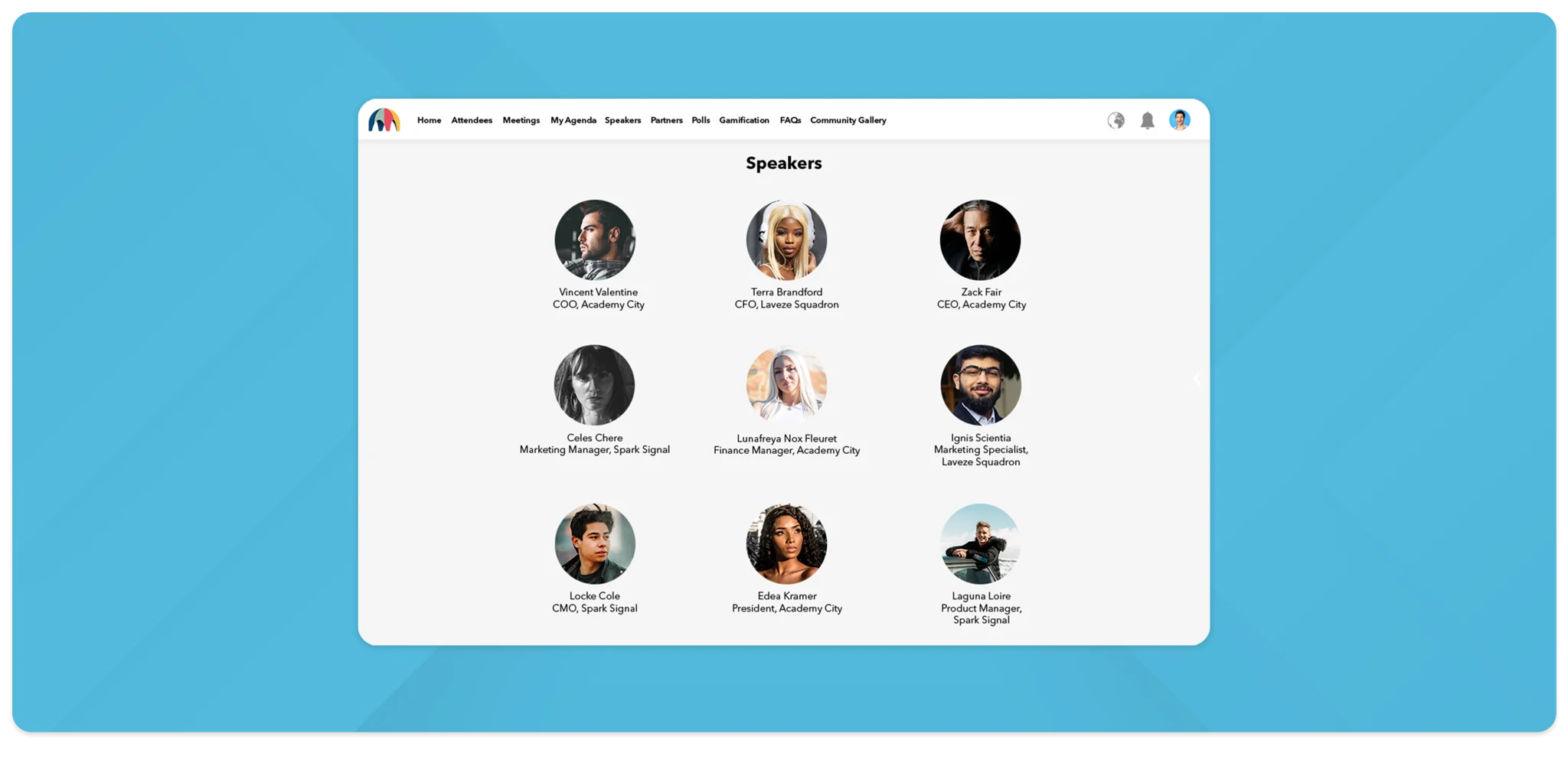
Hybrid events benefit your speaker lineup as much as your audience. Speakers can present from anywhere, with no travel or scheduling barriers. Cutting travel costs frees budget to book higher-profile speakers who were previously out of reach.
Hybrid formats widen the door to people who cannot easily attend in person, including those with disabilities, caring responsibilities, or limited travel budgets. Virtual delivery also makes accessibility features easier to provide at scale, from live captions and translation to on-demand replay.
Because part of your event runs on software, you can use it to generate deeper insight. Canapii supports the full lifecycle, from registration through to real-time analytics, so you can track performance live, forecast ROI before the event ends, and build a history of data that sharpens every future event.
A hybrid event combines in-person and virtual attendance in a single event, with each audience given a format designed for how they take part.
Wider reach, higher engagement, reusable content, stronger sponsorship value, better ROI, flexible budgets, lower environmental impact, accessible networking, easier speaker booking, greater inclusivity, and richer data.
They cost more to produce because you run two experiences at once, but wider reach, added sponsorship revenue, and reusable content typically offset that.
An all-in-one platform that handles registration, streaming, engagement, networking, and analytics across both audiences - for example, Canapii.
See how Canapii makes hybrid events simple to run from end to end: get a demo.