
Resources
Blog
Insights on events, technology, and the future of gathering
Latest articles
Insights on events, technology, and the future of gathering
Quick answer: Event gamification means weaving game-like elements - points, badges, puzzles, and challenges - through an event that isn't itself a game. Attendees earn rewards for visiting booths, attending sessions, or answering polls, which taps their natural competitive drive and turns passive listeners into active participants who learn more and enjoy the event more.
Event planning is a labor of love. It's work-intensive and stressful, and you do it all with the payback in mind: the revenue, in many cases, but also the satisfaction of seeing people genuinely engaged and benefitting from your event. That's why it's so devastating to watch your event unfold to minimal participation or mediocre feedback.
The fix could be simpler than you think, and gamification may be the key. This guide covers what event gamification is, why it works, and how to get started.
Event gamification is the practice of incorporating game-like principles and elements into something that isn't normally a game. That could mean setting up ways for participants to earn points, solve puzzles, find hidden items, or collect badges. It can involve giving away prizes to winners, but it doesn't have to. As a whole, event gamification is a way to engage your participants and lead them to be more involved and interactive throughout the event.
Gamification works by infusing game practices into the fabric of the event from start to finish. This is different from putting a game into the event's schedule, like a team-building game session. A typical setup awards participants points when they visit vendor booths, attend sessions, answer polls, or otherwise get involved. As simple as these elements are, they pique your participants' interest and motivate them with a hint of competition and challenge.
Whether your event is an educational conference, a training seminar, an industry convention, or a large-scale internal meeting, there's plenty to gain by adding gamification to the mix.
Competitiveness is a natural drive for people. It doesn't have to be a competition against others - it can be a competition against a challenge. Either way, when people are faced with a challenge, they have a natural drive to win. Presenting participants with a quest as part of your gamification, even if you don't offer prizes, can motivate them to get more involved.
Engagement is a major goal for just about any type of event. Even if your end goal is something else, such as sales revenue or data collection, you're more likely to achieve it when attendees are engaged. Interactive game elements transform attendees from passive listeners into actively engaged participants, making your sessions and discussions more productive for everyone.
Your attendees are the cornerstone of the event, and for you to achieve your own goals, they need to get something out of it. At events that focus on education, participants learn more and retain it better when they interact in sessions. Gamified events also bring higher participant satisfaction, because attendees enjoy the event more and appreciate that they've learned more than they otherwise would.
Event gamification is often easier to understand when you see it in action. These three formats have been used with strong results at small and large events alike.
Create a Bingo card where each square on the grid holds a different task or way to participate in the event. Each participant receives a card at the beginning of the event and earns a square every time they complete the task in that square. You can offer prizes or drawing entries for every Bingo that participants complete.
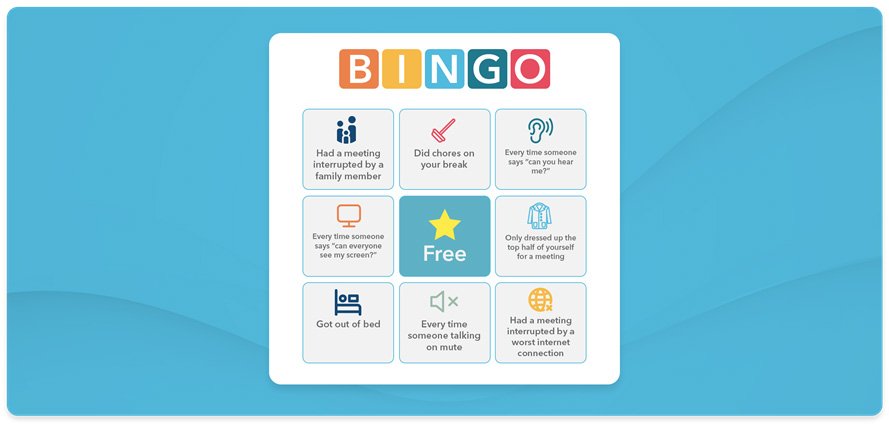
At the beginning of each session, the session leader gives attendees a trivia question and attendees submit their answers. You keep a running tally of each attendee's total score throughout the event and offer prizes for those with the highest scores.
Video games often award players badges or trophies for completing certain tasks, like finishing a quest in a set time. Events can borrow the same idea: award attendees badges for hitting milestones such as attending a particular number of sessions, visiting a set number of booths, or answering a specific number of in-session polls and questions.
Engaging your participants with event gamification is easier than you think if you use the right tools. Canapii's built-in gamification awards points and badges automatically as attendees join sessions, answer polls, or visit booths - on the same platform that has powered 2,000+ events for 300,000+ attendees across 45+ countries. Learn more about Canapii and how we can make your next event a success.
It's the use of game-like elements - points, badges, puzzles, and challenges - throughout an event that isn't itself a game, encouraging attendees to participate more actively from start to finish.
No. Prizes help, but the challenge itself motivates people: competitiveness is a natural human drive, and a well-designed quest gets attendees involved even without rewards.
Event Bingo cards with participation tasks, running trivia with a cumulative score across sessions, and badges awarded for milestones like attending sessions or visiting booths.
A scheduled game, like a team-building session, is a single agenda item. Gamification weaves game mechanics through the whole event, rewarding participation from beginning to end.
Ready to make your next event unforgettable with gamification? Speak to our team today.