
Resources
Blog
Insights on events, technology, and the future of gathering
Latest articles
Insights on events, technology, and the future of gathering
Quick answer: Event planners manage their time best by estimating tasks realistically (add a 20% buffer), planning ahead, staying flexible, preparing for the unknown, delegating, minimizing distractions, and saying no to non-essential commitments. Event management software like Canapii centralizes tasks, deadlines, and progress so nothing slips through the cracks.
Planning an event is a challenging job, and it can often feel like there are not enough hours in the day. The good news is that time management is a skill you can build. This guide walks through ten practical tips that help you make the most of your planning time and ensure your event goes off without a hitch.
Time management is critical for ensuring an event runs smoothly and efficiently. Good timekeeping keeps you organized and on track, ensures every aspect of the event is accounted for, and keeps everything running according to schedule.
Just as importantly, it protects your focus. When you’re not in a constant time crunch, you can concentrate on the details that matter and minimize the risk of problems or delays arising during the event itself.

Realistic time estimates are the foundation of a workable event plan. It’s easy to underestimate how long tasks will take, especially if you’ve never done them before - and that leads to disappointment and frustration when things don’t go as planned.
Estimate how long a task will take, then add 20% to that number. This gives you a buffer in case things run long. Breaking large tasks into smaller, more manageable pieces also helps you estimate each part more accurately and avoid getting overwhelmed.
And don’t forget to factor in breaks. If you’re working on something for a long stretch, schedule some downtime so you don’t get burnt out.
Every planning activity should move you closer to your event goals. Planning an event involves many moving parts, and it’s easy to get distracted - but working on activities that don’t support your goals only eats up precious time.
Before starting any task, ask yourself: how does this activity help me move closer to my goals? If you can’t come up with a good answer, delegate that task and work on something else.
Planning ahead turns scrambling into steady progress. Taking a few minutes to think about what you need to do - and when you need to do it - can save you a lot of time and stress.
Create a daily or weekly to-do list, or plan your month in advance. Whichever method you choose, be as specific as possible: write down exactly what needs to be done and when you plan on doing it.
Flexibility is what keeps a schedule alive. Unexpected events and changes always come up, and if you’re inflexible you’ll likely find yourself getting frustrated and falling behind.
If you can go with the flow and adjust your plans as needed, you’ll stay on track and get things done even when the day doesn’t go exactly as planned.
Even the best planners won’t always estimate their time perfectly. Some tasks take longer than planned, and others come up out of nowhere.
Think about what could throw off your schedule - last-minute meetings, sick days, car trouble - and put it down on paper. Build in buffer time so you can absorb these disruptions without reorganizing your whole day. And for important deadlines, keep a contingency plan in place in case something goes wrong.
Delegating frees up your time for the work only you can do. When you delegate a task, you give someone else the responsibility of completing it - and reclaim hours for higher-priority planning.
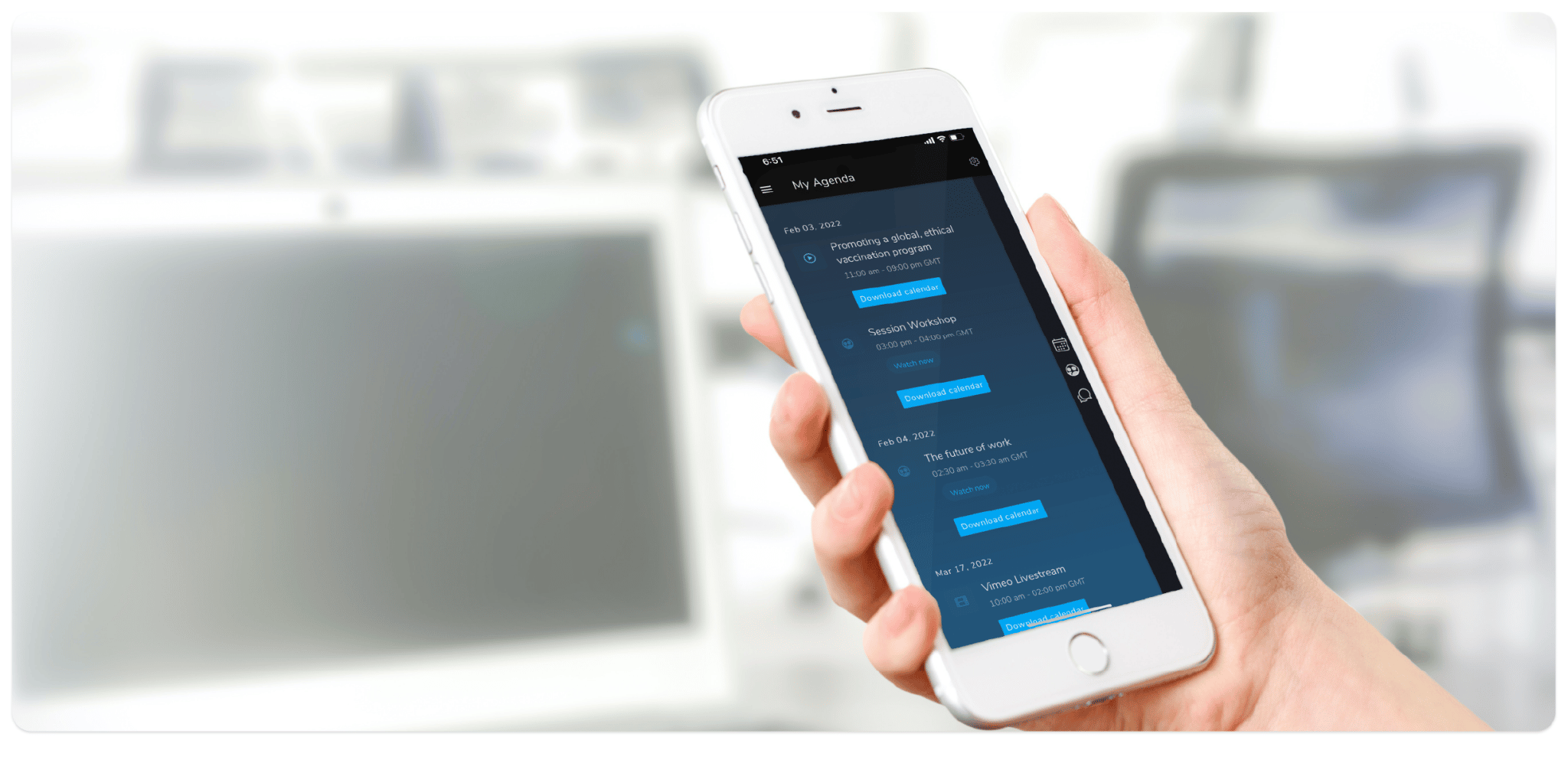
Using event management software can help you delegate like a pro. Assign tasks to your team via the mobile app or platform, set deadlines, and track progress all from a single location.
Event technology, such as a mobile conference app or event platform, centralizes all of your event planning efforts. It gives your team an anchor to guide their daily duties and keeps everything on track.
A single hub means less switching between different apps and tools - and less refocusing your mind each time. You can see at a glance what’s going on and what still needs to be done. Canapii, for example, has powered 2,000+ events since 2020, with 24/7 support behind every one.
Minimizing distractions cuts out the extra noise so you can stay focused and get more done. When you’re trying to concentrate on a task, any little interruption can derail your train of thought and waste valuable time.
Turn off your phone, put away potential sources of interruption, and find a quiet place to work.
Self-care is often seen as a luxury, but it may actually be the key to better time management. When you make time for yourself, you recharge and refocus - which makes you more productive when you are working, and less likely to procrastinate or get sidetracked.
Fitting self-care into a busy schedule can be difficult, but even small changes make a big difference. Taking a few minutes each day for yourself will help you feel calmer and more in control of your time.
Saying no is one of the most effective time management tools a planner has. When you have too many commitments and not enough time to complete them all, something has to give - and saying no to non-essential commitments frees you to focus on the event details that are truly important.
It also helps reduce stress and anxiety, because trying to do too many things at once quickly becomes overwhelming. Saying no takes practice, especially when you’re trying to please multiple event sponsors and stakeholders - and remember, you can always delegate a task instead of giving an outright no.
It keeps planners organized and on track, ensures every aspect of the event is accounted for, and minimizes the risk of problems or delays arising during the event itself.
Estimate the time a task needs, then add 20% as a buffer. Breaking large tasks into smaller pieces makes each estimate more accurate - and remember to schedule breaks so you don’t burn out.
An event platform centralizes planning in one place: you can assign tasks to your team, set deadlines, and track progress without switching between different apps and tools.
Check each task against your event goals. If a task doesn’t move you closer to them, delegate it - and say no to non-essential commitments so you can focus on the details that truly matter.
Canapii event software helps you free up more time and take back control, whether you’re hosting in-person events, virtual events, or hybrid events. Contact us today for a demo.