
Resources
Blog
Insights on events, technology, and the future of gathering
Latest articles
Insights on events, technology, and the future of gathering
Quick answer: To plan an in-person event effectively, set clear goals, choose an accessible venue, build a realistic schedule and budget, promote across several channels, and use an event platform like Canapii for registration, check-in and engagement. Finish by measuring results against your objectives and gathering attendee feedback for the next event.
In-person events are more than gatherings - they are opportunities to connect, build relationships and create lasting memories. Whether you are planning a conference, workshop or networking session, this guide walks through each step of planning and executing an impactful in-person event.
In-person events matter because real-life human contact builds trust in a way no virtual format fully replicates. Meeting face-to-face creates personal moments, makes learning and collaboration more effective, and - as any salesperson knows - it is much harder to say no to a deal in person. Outside of work, socializing at these events is a great way to network and open doors for future connections
Some in-person events, like concerts or fundraisers, also aim to make money despite significant upfront costs. That puts pressure on planners to make the event both a hit and profitable - which is exactly what careful planning delivers.
Start by defining the event’s primary purpose - lead generation, brand awareness, education or networking - and let that purpose guide every goal you set. Then identify your target audience, whether industry professionals, potential customers or existing clients, and understand what that audience needs so your goals match their expectations. Building an email list early also gives you a direct line for driving turnout.
Make each goal a SMART goal:
Specific - clearly define what you aim to achieve
Measurable - make goals quantifiable so you can track progress
Achievable - set challenging yet attainable targets
Relevant - align each goal with the overall event purpose
Time-bound - set deadlines for achieving each goal
Finally, check that every goal aligns with the event’s overarching purpose, such as promoting a new product or service.
Choose a venue based on accessibility, capacity, amenities and atmosphere - and negotiate before you sign. Ask key questions about the event’s purpose, the atmosphere you want, expected attendee numbers and seating requirements. Check the venue’s references and website to confirm it matches your expectations, and remember that an event app can help attendees find their way around an unfamiliar space.
A well-planned schedule balances sessions with enough time for networking and breaks, which is crucial for a successful event. Stick to the schedule where you can, but stay adaptable: events involve many parties, and unexpected issues will arise. A small delay is rarely a problem, but for longer setbacks have backup plans ready. Plan ahead, keep deadlines flexible and avoid overly tight schedules.
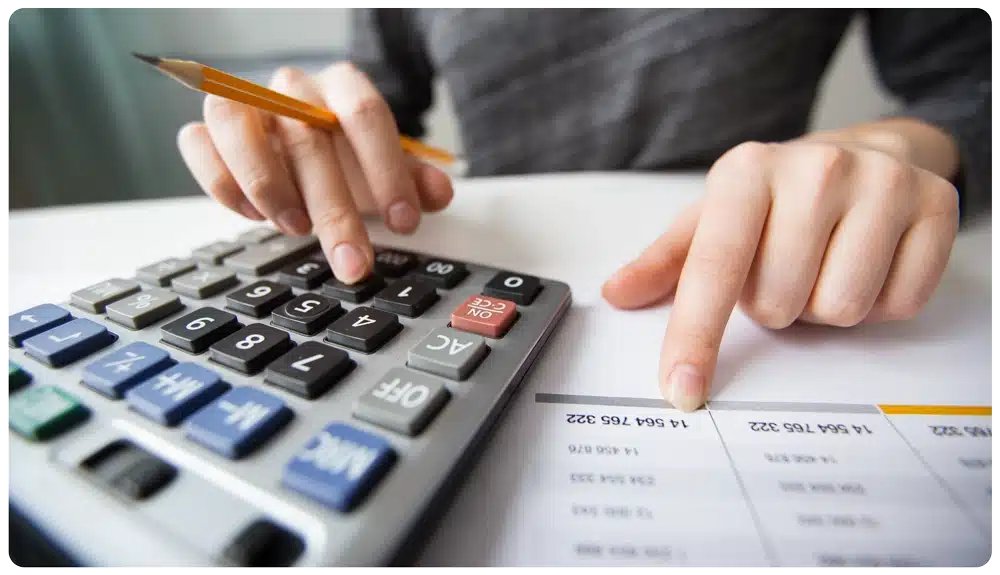
Craft a realistic budget that covers every aspect of the event, then allocate resources where they most improve the attendee experience. Review past budgets, prepare a contingency fund for unexpected costs, prioritize expenditures and obtain multiple quotes for significant expenses. Consider potential revenue streams, review contracts for transparency, and gather post-event feedback to refine budgets for future events.
Use a mix of digital, traditional and word-of-mouth channels to attract the right crowd and fill your event to capacity. Start the buzz early on social media platforms such as Facebook, Twitter and Instagram, set up a dedicated event website and run email campaigns with regular updates. Classic methods still work too: reach out to local media, host online contests and put up posters.
Track key metrics like website visits, ticket sales and social media engagement, and use that data to refine your strategy as you go - learning from both successes and failures.
Make registration easy and keep everyone informed before, during and after the event. Event platforms built for in-person events let you track tickets and registrations in one place, and attendees can check in on site with QR codes - no separate systems needed.
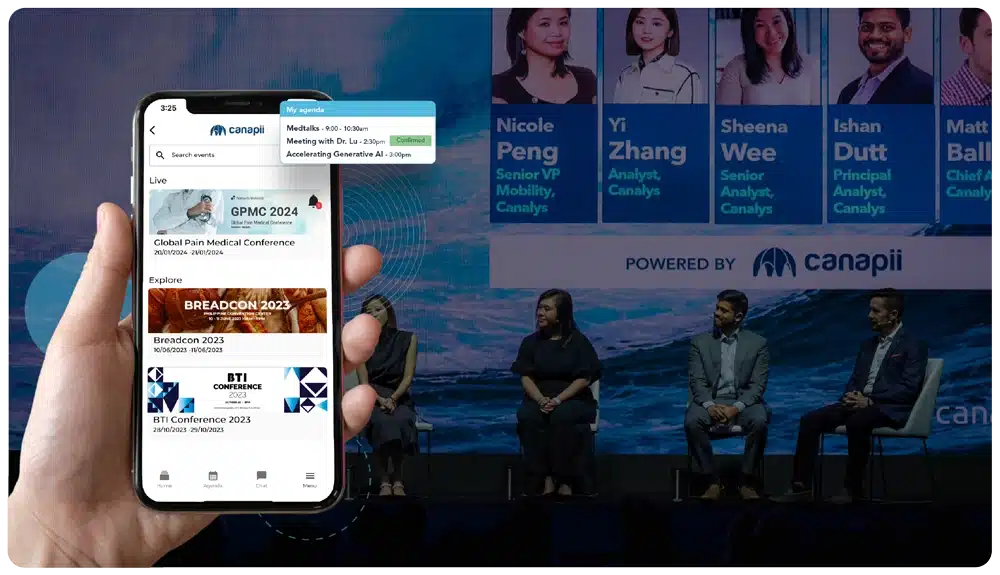
An event app has become an indispensable tool for running events smoothly. It gives attendees instant access to schedules, speaker details, maps and attendee lists, plus personalized agendas, reminders and real-time notifications for changes or important announcements. Platforms like Canapii - which has powered 2,000+ events for 300,000+ attendees across 45+ countries since 2020 - also give planners attendance and engagement metrics.
Take care of the key details - transportation, accommodation, catering and technical needs - well before the day. Pick catering that fits the event’s vibe, make your event memorable with promotional items, and test all the technology in advance. Good organization and communication are essential: use event management software and a support team, map everything on a timeline and keep backup plans ready in case of delays.
Keep attendees engaged with interactive workshops, Q&A sessions and structured networking opportunities - engagement is what makes an event memorable and valuable. Audience engagement tools such as event apps, live polling and Q&A platforms encourage interaction, and event management platforms like Canapii add live chat, gamification and networking features that lift interaction and satisfaction.
Measure the event against the objectives and goals you set at the start, then collect and analyze attendee feedback for insights you can act on. What you learn feeds directly into better goals, budgets and schedules for your next in-person event.
Face-to-face contact builds trust and relationships in ways virtual formats cannot fully replicate - deals close more easily in person, and on-site networking opens doors to future connections.
Accessibility, capacity, amenities and atmosphere. Ask about seating and expected numbers, check references and the venue’s website, and negotiate before signing.
Start as early as possible. Build buzz on social media, launch a dedicated event website and run regular email campaigns, then track ticket sales and engagement to adjust your approach.
An event app has become indispensable: attendees get QR code check-in, schedules, maps, personalized agendas and real-time notifications, while planners get attendance and engagement metrics in one place.
Compare results against the goals you defined during planning, then gather and analyze attendee feedback to improve future events.
Ready to plan your next onsite event? Reach out to Canapii today to see how our event platform handles registration, QR code check-in and attendee engagement end to end.