
Resources
Blog
Insights on events, technology, and the future of gathering
Latest articles
Insights on events, technology, and the future of gathering
Quick answer: The eight event technology trends event planners should watch are live translation, live streaming, contactless check-in, mobile event apps, event gamification, QR codes, virtual reality, and holograms. Together they help organizers reach wider audiences, streamline operations, and create more engaging, measurable experiences across in-person, virtual, and hybrid events.
As event technology advances, so does the event industry. With constant innovation in event management software and audio/visual equipment, event planners have to stay on top of the latest trends to keep their events cutting-edge and memorable. Below we walk through eight trends worth building into your event strategy, and how each one works in practice.
Live translation lets organizers reach a larger audience by providing interpretation in multiple languages, creating an inclusive environment for attendees who are not fluent in the event's primary language. As events become more globalized - Canapii alone has powered 2,000+ events across 45+ countries - demand for translation services keeps rising.
Live translation is not without its challenges, however. It can be expensive and requires careful planning to execute properly, and accuracy can suffer when multiple languages are being spoken at the same time. Building translation into your event platform, rather than bolting it on, removes much of that friction.
Live streaming lets attendees who are unable to be physically present at an event still experience it in real time. This is especially beneficial for large events with attendees located all over the world.
Streaming can also provide a more engaging and interactive experience for those attending virtually, and it is a great way to generate buzz: by promoting a live stream of an upcoming event, organizers create anticipation and suspense leading up to the big day.
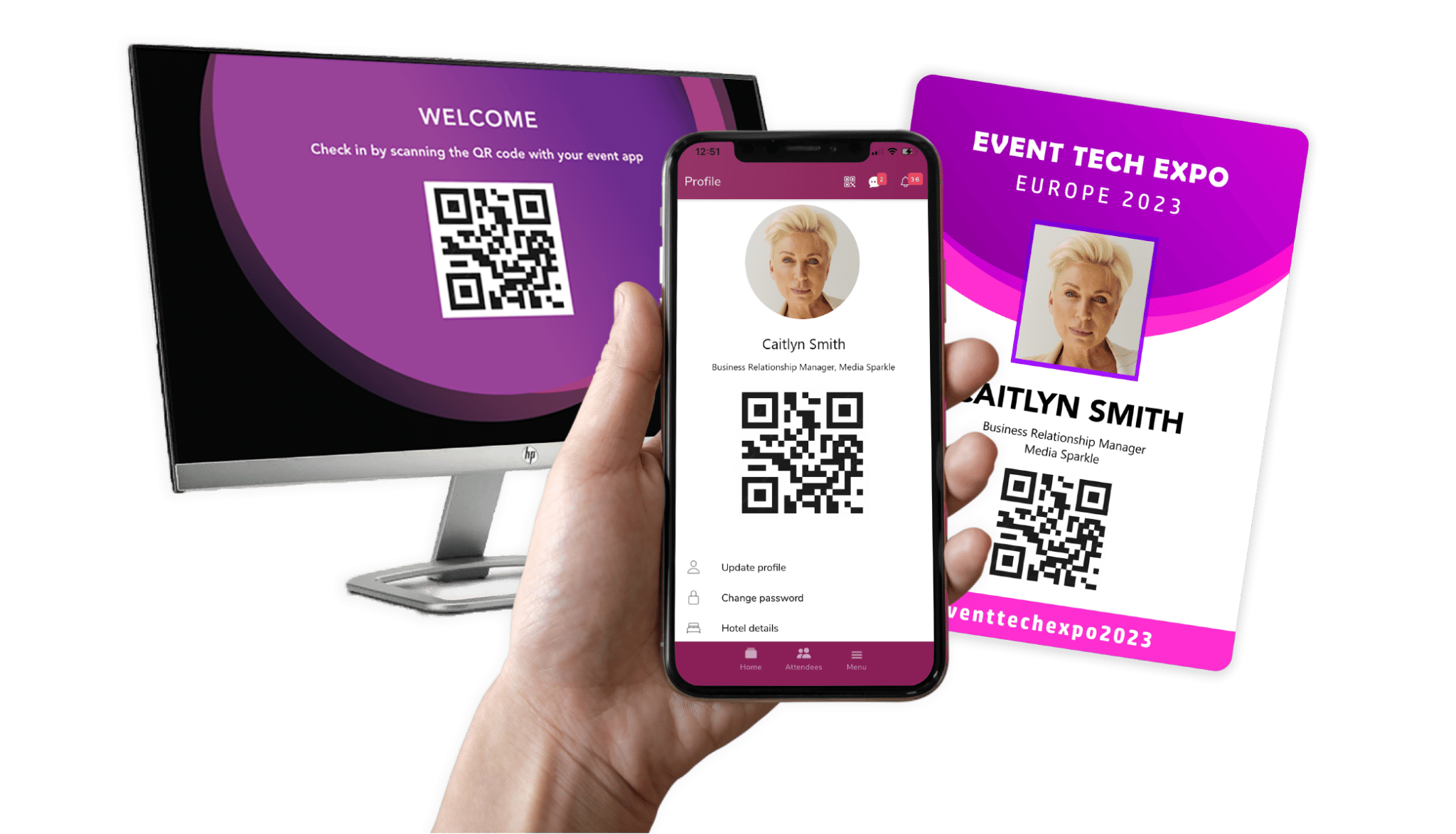
Contactless check-in lets guests quickly scan a ticket or QR code on arrival and walk straight in, without fumbling with papers or waiting in line. As event professionals look for new ways to streamline arrivals, it has emerged as a leading solution - saving time for planners and making the overall experience more seamless for attendees.
It also provides valuable data for event planners: by tracking who arrives and when, planners gain insights into guest behavior and preferences that help them improve future events.
Mobile event apps give attendees a more customized and interactive experience. Through an event app, attendees can view the schedule, speakers, and exhibitors, and connect with each other before and during the event - all from their own device.
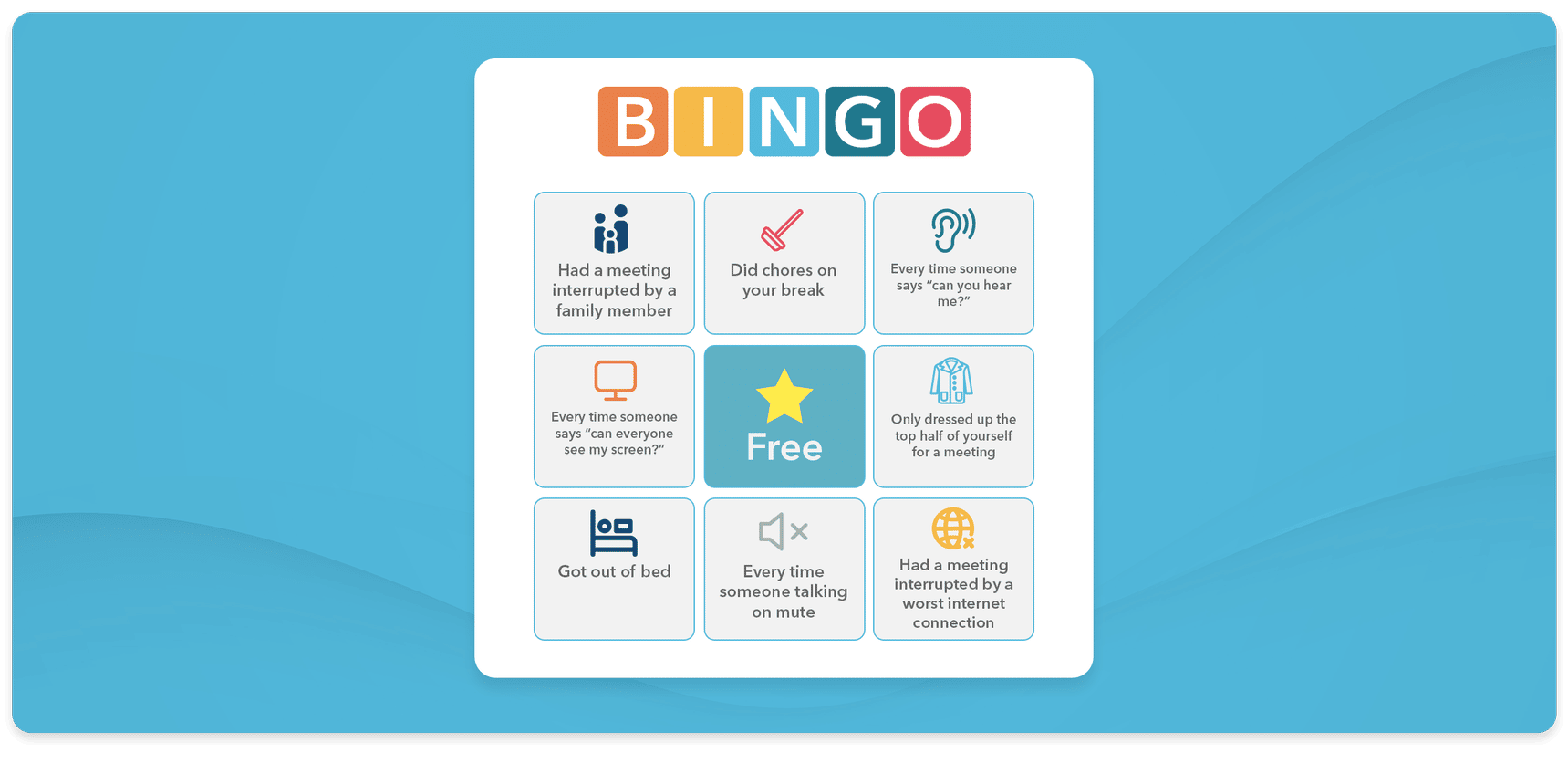
Event gamification applies game mechanics and game-like elements in a non-game context to engage and motivate attendees. Planners use it to increase attendance, engagement, and satisfaction, and it can also lead to better networking and more positive social interactions.
If you are new to the concept, start with what event gamification is and browse these event gamification examples for ideas on creating unique and memorable experiences.
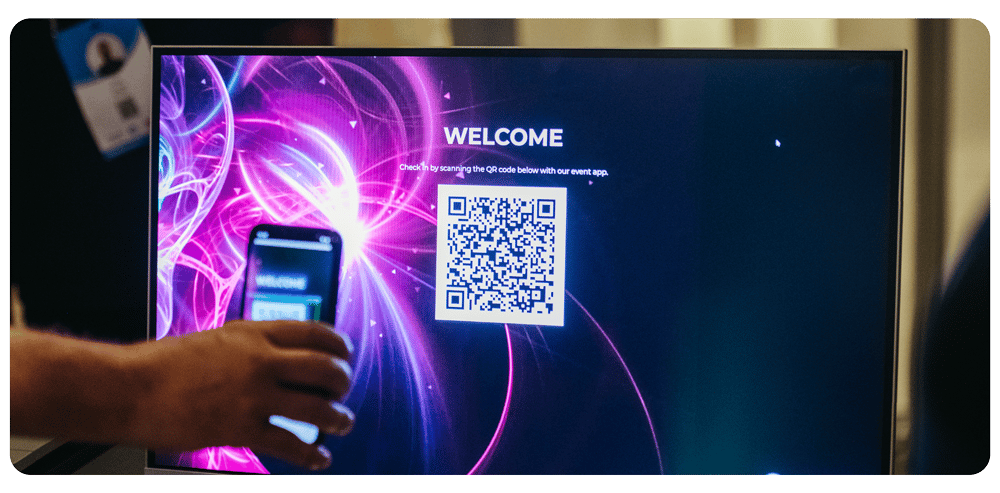
QR codes offer a number of advantages over traditional event marketing methods, including the ability to track and measure results. Driven by the growing use of mobile devices, they give attendees a more interactive and engaging experience - and they can be deployed at in-person, virtual, and hybrid events alike.
As event technology continues to grow, QR codes are likely to become even more common, giving organizers a simple but powerful tool for running more efficient and effective events.
Virtual reality is part of a wider move towards more interactive and immersive event experiences. Planners are using virtual reality and augmented reality to create truly unique events that engage all the senses, from virtual venue walkthroughs to immersive product showcases.
Holograms have been used in entertainment for decades, but the technology is now making its way into the events industry. From conferences and trade shows to product launches and live concerts, planners are finding that holograms add an extra layer of engagement and excitement.
Holograms can be used for a variety of purposes at events, including:
Product demonstrations
Live performances
Interactive displays
Virtual tours
Event technology is the software and hardware used to plan, run, and measure events - from registration, check-in, and mobile apps to live streaming, translation, engagement tools, and analytics.
Eight trends stand out for event planners: live translation, live streaming, contactless check-in, mobile event apps, event gamification, QR codes, virtual reality, and holograms.
No. Contactless check-in, QR codes, event apps, and gamification all work at in-person events, while live streaming and live translation extend an in-person event to virtual and hybrid audiences.
QR codes speed up check-in, make printed and on-screen materials interactive, and let organizers track and measure results in a way traditional event marketing methods cannot.
Look for a single platform that covers the full event lifecycle, from registration through to analytics. Canapii is ISO 27001 certified, GDPR compliant, backed by 24/7 support, and scales to events with 10,000+ attendees.
The right event management software brings live translation, streaming, contactless check-in, gamification, and QR codes together under a single umbrella. See how Canapii does it: schedule a demo.