
Resources
Blog
Insights on events, technology, and the future of gathering
Latest articles
Insights on events, technology, and the future of gathering
Quick answer: Event goals define what you want your event to achieve - its overall purpose, such as raising funds or building brand awareness. Event objectives are the measurable, actionable steps that get you there. Set both using the SMART framework, focus on one primary goal, and track your progress throughout the planning process.
Goals define your event’s purpose; objectives are the measurable steps to reach it
Common goals include ticket sales, brand visibility and higher registrations
SMART goals are specific, measurable, achievable, relevant and time-bound
Clear goals give your event direction and keep everyone aligned
Focus on one primary goal and treat the rest as supporting objectives
The right event technology helps you define, track and attain your goals
Before you dive into planning your next event, take a moment to define what success actually looks like. Setting clear goals and objectives might seem like an extra step, but it makes the whole planning process much smoother - and it stops you from diving in headfirst without a clear direction.
Below we explain the difference between goals and objectives, share examples you can borrow, and walk through the SMART framework for setting targets you can actually hit.
Event goals describe what you want your event to achieve. They are the main focus of the event and define its purpose. If you are organizing a charity event, for example, your goal could be to create awareness and raise money for a particular cause.
Once you have set your goals, determine the specific steps you will take to achieve them. These steps are your objectives, and they should be measurable and actionable. Break each objective into smaller, more manageable tasks that you can track and measure throughout the
Events across different formats share common goals and objectives, whether you are running an in-person event, a virtual event or a hybrid event. Typical objectives include selling more tickets, increasing brand visibility and improving registration numbers.
Here are a few goal and objective pairs to get your ideas flowing:
Goal: increase brand awareness. Objective: increase social media mentions by 20% during the event.
Goal: generate leads. Objective: collect 300 business cards from attendees.
Goal: raise funds for charity. Objective: raise $70,000 for the charity during the event.
Goal: provide a memorable experience. Objective: ensure that 90% of attendees rate the event as “excellent” in the post-event survey.
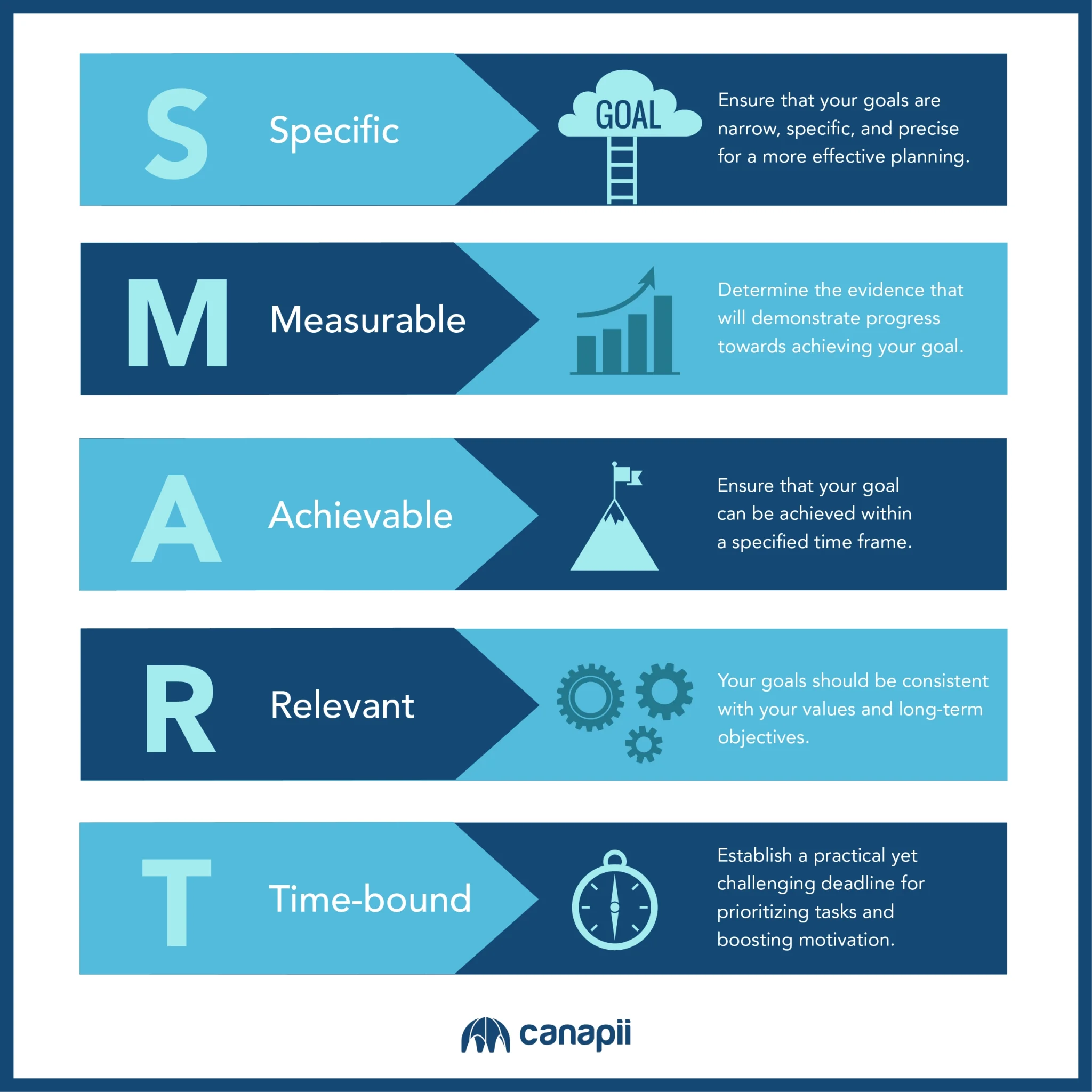
SMART stands for specific, measurable, achievable, relevant and time-bound. Instead of a vague goal like “I want to have a successful event”, set one like “I want to sell 500 tickets and raise $50,000 in sponsorship revenue by the event date”. Framing goals this way gives you a much better chance of actually reaching them.
It is good to aim high, but keep your goals realistic. Brainstorm a broad list of ideas first, then narrow them down to the best ones - combining ideas often produces a solid, achievable plan.
Be crystal clear about what you want to achieve, leaving no room for confusion. Ask yourself who is involved, what needs to be done, where it will happen, when it will take place, why it matters and how you will make it happen.
Attach numbers to your goals so you can track your progress and see whether you are actually on course to deliver them.
It is fine to dream big, but be realistic about what you can deliver. Take your resources and limitations into account and set goals that are within reach - you want to set yourself up for success, not failure.
Your objectives should align with the bigger picture, whether that is your organization’s strategy or your personal goals. Every piece should fit together and contribute towards the same outcome.
Set a deadline or timeframe for each goal. Deadlines create a sense of urgency and accountability, so tasks get completed on time and everyone knows what they are responsible for.
SMART goals give your event a clear direction and purpose: everyone involved knows exactly what they are working towards and how to achieve it. Without goals and objectives, planning gets messy and your event can end up feeling aimless - for you and for your attendees.
Once you have determined your goals and objectives, decide which one matters most. Do not spread yourself too thin trying to accomplish too many things at once. Focus on your primary goal and categorize the rest as supporting objectives - that keeps you on track and helps you achieve the results you are after.
Clear goals give you direction, and the right event technology helps you deliver on them. Canapii helps you define, track and attain your event goals - from registration targets to engagement and post-event feedback - and has powered 2,000+ events for 300,000+ attendees across 45+ countries since 2020.
A goal defines the overall purpose of your event - what you want it to achieve. An objective is a measurable, actionable step that moves you towards that goal, which you can break into smaller tasks and track throughout planning.
Specific, measurable, achievable, relevant and time-bound. A SMART event goal states exactly what you will achieve, attaches a number to it, stays realistic, supports the bigger picture and has a deadline.
Focus on one primary goal and treat the rest as supporting objectives. Chasing too many goals at once spreads your team thin and makes it harder to achieve the results you are after.
Increasing social media mentions by 20% during the event, collecting 300 business cards from attendees, raising $70,000 for charity, or having 90% of attendees rate the event as “excellent” in the post-event survey.
Ready to define, track and hit your event goals? Reach out to us today and let us help make your next event a success.