
Resources
Blog
Insights on events, technology, and the future of gathering
Latest articles
Insights on events, technology, and the future of gathering
Quick answer: The most common in-person event challenges are venue selection, budget limits, ticketing, speaker management, marketing, attendee engagement, security, technology, logistics, and post-event data collection. Each one can be solved with proactive planning, clear communication, and an event management platform that centralizes registration, check-in, engagement, and analytics.
In-person events have always been a cornerstone of human interaction, helping us build connections, exchange knowledge, and network. Whether it is a corporate conference, a music festival, a concert, or a trade show, these events play a huge role in our personal and professional lives. But pulling one off successfully is rarely simple.
Below are the ten hurdles event organizers run into most often, each paired with a practical solution.
Finding the perfect venue can feel like searching for a needle in a haystack. You need a location that matches the event’s size and audience while providing all the necessary amenities - and that gets particularly tricky around popular dates and destinations.
Solution: Proactive planning is key. Start your venue search well in advance and stay open to adjusting the date if necessary. Venue booking software with real-time availability updates can simplify the selection process, and building solid relationships with venue managers pays off in negotiations and gives you more options.
Managing expenses effectively is one of the toughest parts of event planning. Venue rental, catering, marketing, and logistics all compete for the same limited budget.
Solution: Get creative. Reach out to relevant businesses about event sponsorship opportunities, negotiate discounts with suppliers, and consider cost-effective alternative venues. Event management software lets you track expenses in real time so you stay within budget, and reviewing past event budgets highlights where future events can improve.
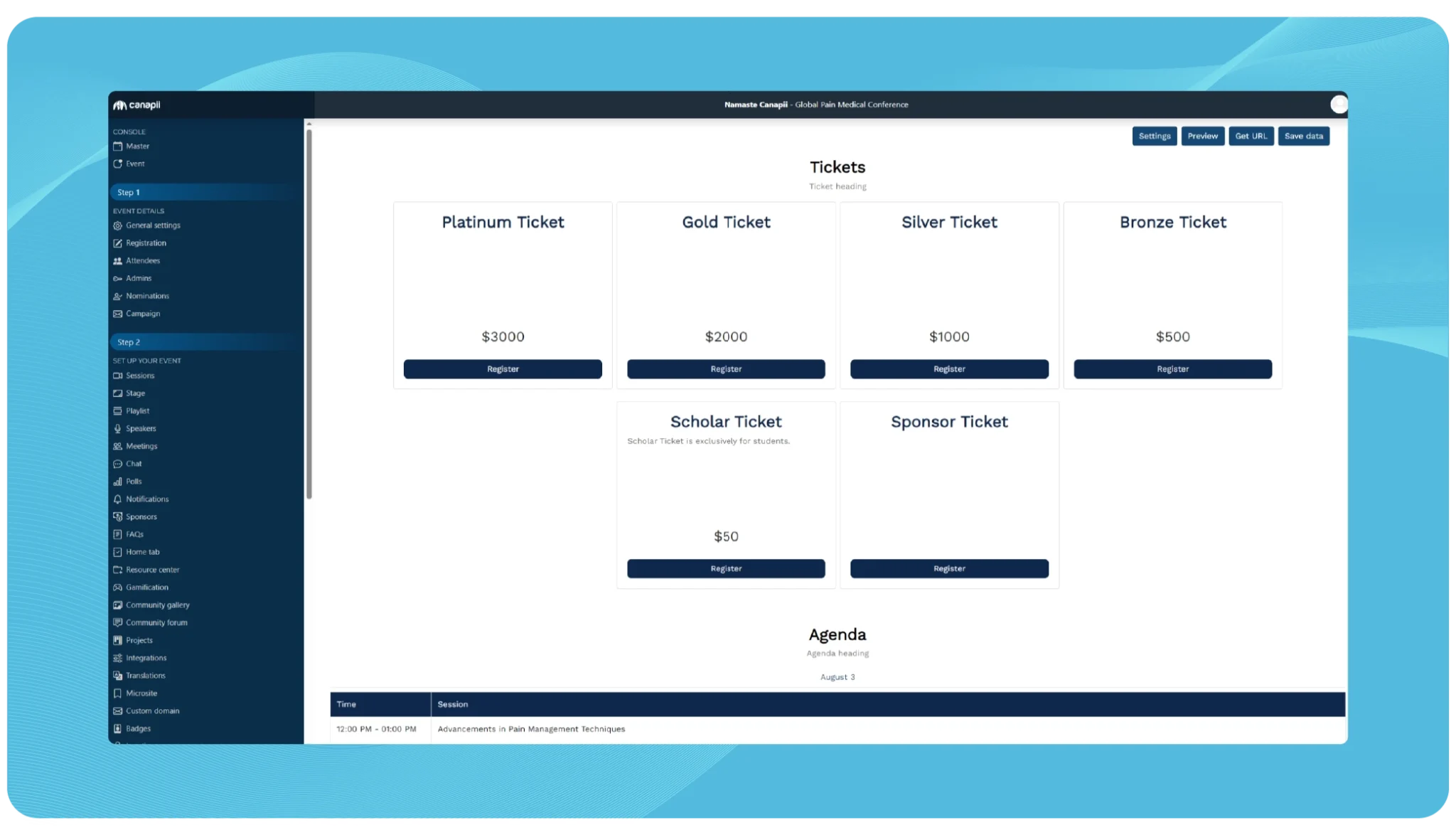
Designing ticketing strategies for different attendee types - early-bird discounts, special rates, tiered access - is a complex task, yet a smooth registration and ticketing process is essential to an outstanding event experience for all.
Solution: Use a dynamic ticketing and registration system that supports flexible pricing tiers, personalized registration profiles for each attendee, and a user-friendly purchasing flow. Real-time availability updates keep you informed, and registration analytics reveal how attendees behave before the doors even open.
Finding and coordinating speakers, performers, or presenters is a challenge in itself, especially when they have busy schedules or specific requirements to consider.
Solution: Careful planning and open communication are essential. Set clear expectations, timelines, and requirements right from the beginning, and invest in strong relationships with your speakers and performers - it makes coordination smoother and scheduling conflicts easier to resolve.

Promoting an in-person event to the right audience is a nuanced task in a saturated digital landscape.
Solution: Employ a diverse range of channels - social media, email marketing, SEO, and content marketing - and collaborate with influential voices to create engaging promotional content. An event management platform like Canapii simplifies the work with built-in marketing tools and the analytics to optimize every campaign.
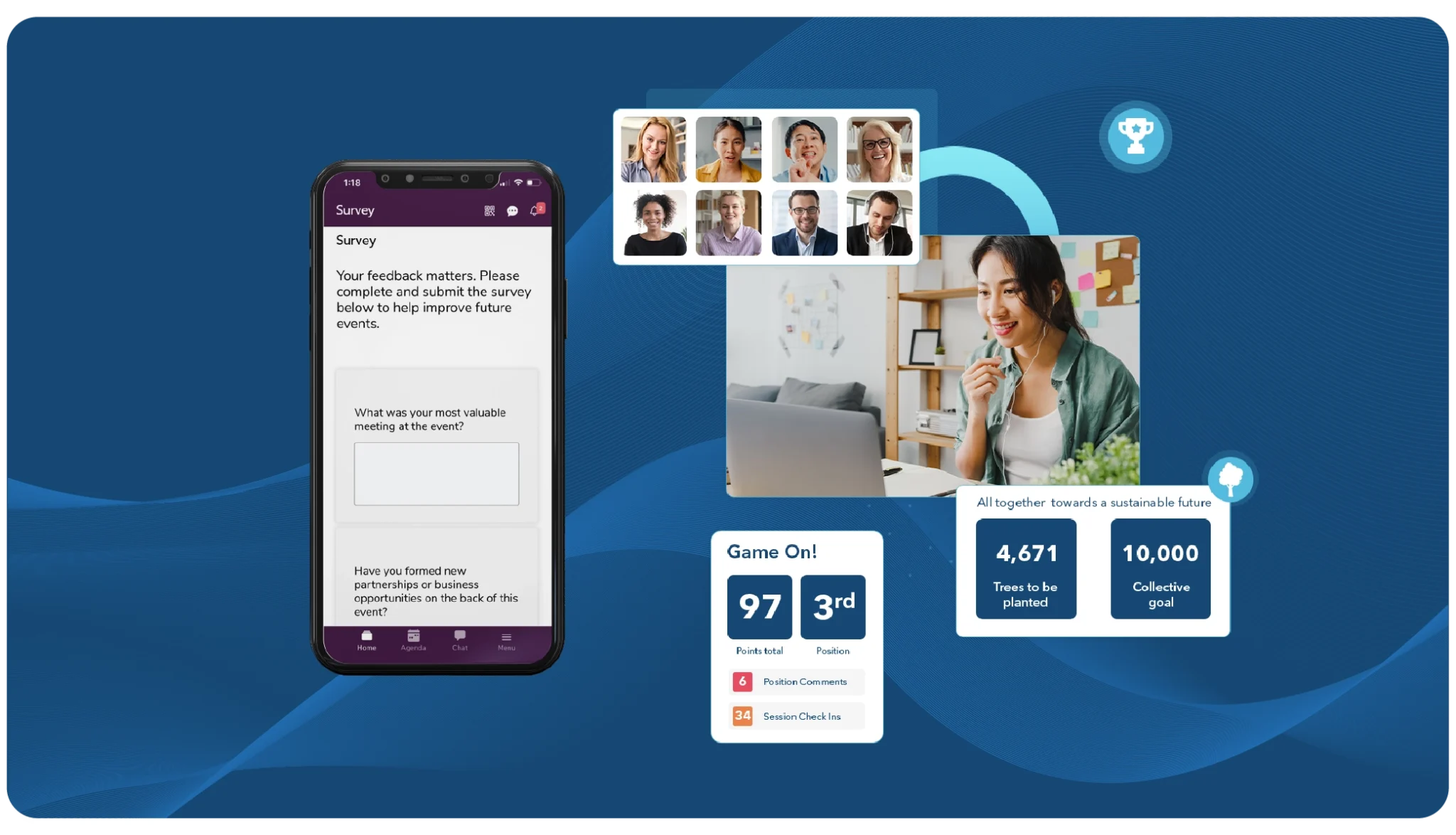
Keeping attendees engaged from start to finish is one of the most important ingredients of a successful event. When people disengage, reviews suffer and the event delivers less value for everyone.
Solution: Build in interactive elements such as live polls, Q&A sessions, and networking opportunities. Gamification features like scavenger hunts and contests add a fun, competitive edge, while an event app with real-time interaction features encourages active participation and a more immersive experience.
Attendee safety and well-being has always been a top priority, yet many organizers still struggle to meet the standard, particularly around health emergencies and unexpected situations.
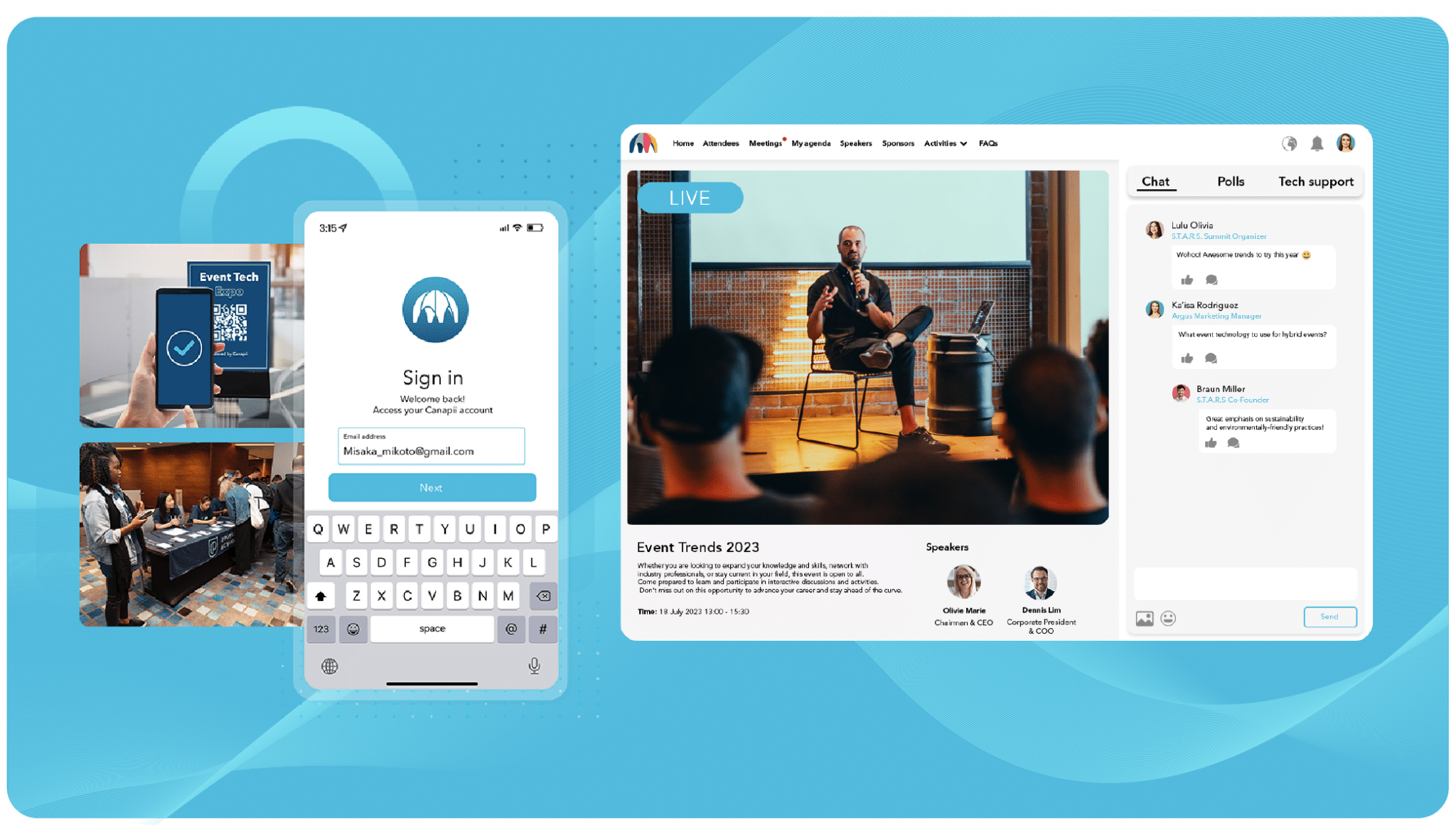
Solution: Develop a comprehensive safety plan covering emergencies, medical support, and crowd control. Follow local regulations and guidelines, especially those related to health and hygiene, and consider technologies such as contactless registration and event check-in apps to reduce touchpoints and queues.
The challenge with event technology is making it enhance the overall experience rather than hinder it.
Solution: Invest in robust Wi-Fi networks, mobile charging stations, and an on-site technology support team to head off technical issues on the day. A comprehensive event platform then brings registration, ticketing, onsite check-in, and networking together in one place, lifting the whole event experience.
From transportation and accommodation to catering and scheduling, in-person events involve a huge number of moving parts - and large-scale events multiply every one of them.
Solution: Overcome logistical challenges with meticulous planning and communication. Develop detailed plans that address potential bottlenecks before they appear, collaborate closely with transportation providers, hotels, catering services, and other stakeholders, and use event management software for centralized coordination and real-time updates that keep everything on track.
Data is invaluable, yet many event planners overlook it. Neglecting to collect data during and after an event makes it hard to evaluate success properly or improve the next edition.
Solution: Ask attendees for feedback through post-event surveys and feedback forms, and pair those insights with event analytics to see what actually happened on the ground. Then keep the conversation going through social media and email to build a strong sense of community and loyalty for future events.
The most common challenges are venue selection, budget limitations, ticketing and registration, speaker management, marketing and promotion, attendee engagement, security and safety, technology integration, logistics, and collecting event data.
Secure sponsorships, negotiate supplier discounts, and consider cost-effective alternative venues. Tracking expenses in real time with event management software keeps spending visible, and reviewing past event budgets shows where costs can be trimmed next time.
Use interactive elements such as live polls, Q&A sessions, and structured networking, and add gamification like scavenger hunts and contests. An event app with real-time interaction features keeps participation high from start to finish.
An event management platform centralizes ticketing, registration, contactless check-in, engagement, and analytics, so organizers coordinate everything from one place instead of juggling separate tools. Platforms like Canapii also add built-in marketing tools and real-time reporting.
Event data shows what worked and what did not, so you can prove the event’s value and improve the next one. Post-event surveys combined with platform analytics give the fullest picture.
Canapii’s award-winning platform brings ticketing, registration, onsite check-in, audience engagement, and analytics together in one place, backed by 24/7 support. Since 2020 it has powered 2,000+ events for 300,000+ attendees across 45+ countries. Reach out to us today to see how it can simplify your next in-person event.