
Resources
Blog
Insights on events, technology, and the future of gathering
Latest articles
Insights on events, technology, and the future of gathering
Quick answer: To integrate events into your marketing strategy, set clear and measurable goals, identify your target audience, choose the event format that matches your objectives, design a memorable and engaging experience, partner with influencers, follow up with attendees afterwards, and measure results against your KPIs. Event management software ties all seven steps together.
Whether it is a product launch, a conference, or a networking event, hosting an event lets you showcase your brand, engage with your customers, and build brand awareness. Done well, events become one of the most direct ways to reach your audience and drive sales.
Below we walk through the seven steps that turn a one-off event into a working part of your marketing plan.
Events give your audience a direct, personal experience of your brand that no other channel can match. They create touchpoints across the buyer's journey and give marketing, sales, and customer success teams a shared moment to collaborate around, helping you build lasting connections with leads, prospects, and customers. That is why events deserve a permanent place in your marketing plan, not just an occasional slot in the calendar.
Setting clear goals is the first step in incorporating events into your marketing strategy. Determine what you want the event to achieve: are you looking to increase brand awareness or drive sales? Do you want to generate leads or build customer relationships? Specific, measurable goals keep your planning focused and make it possible to prove the event met its objectives.
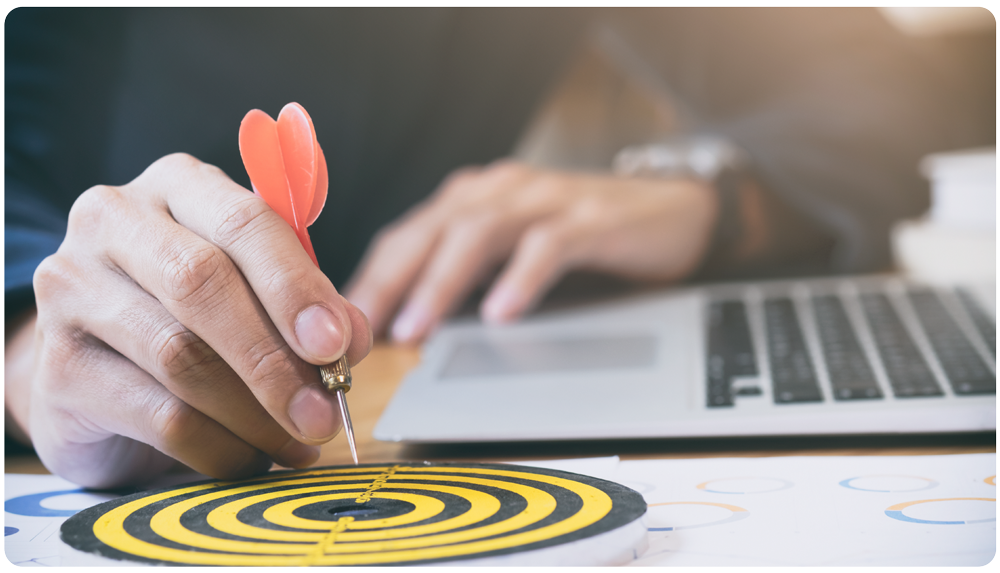
Knowing your target audience is essential to hosting an event that resonates with them. When you understand their demographics, interests, and preferences, you can create an event that speaks directly to them and meets their specific needs. Before you begin planning, ask: are most of them young professionals, families, or retirees? What are their hobbies and interests? What problems do they need solved? These insights help you plan an event that appeals to your audience and delivers a memorable experience that fosters engagement and brand loyalty.
The right type of event is the one that matches your goals and your audience’s preferences. There are numerous formats to choose from, including trade shows, conferences, product launches, workshops, and webinars, and each has distinct advantages. A product launch event, for example, is ideal for introducing a new product and creating buzz around it, whereas a trade show is better for building relationships with other businesses in the industry and showcasing your products to a larger audience.
A memorable event leaves a lasting impression on attendees and increases the likelihood of them becoming customers. Consider every aspect of the event, from the venue and décor to the entertainment and activities, and make sure the experience aligns with your brand’s image and values.
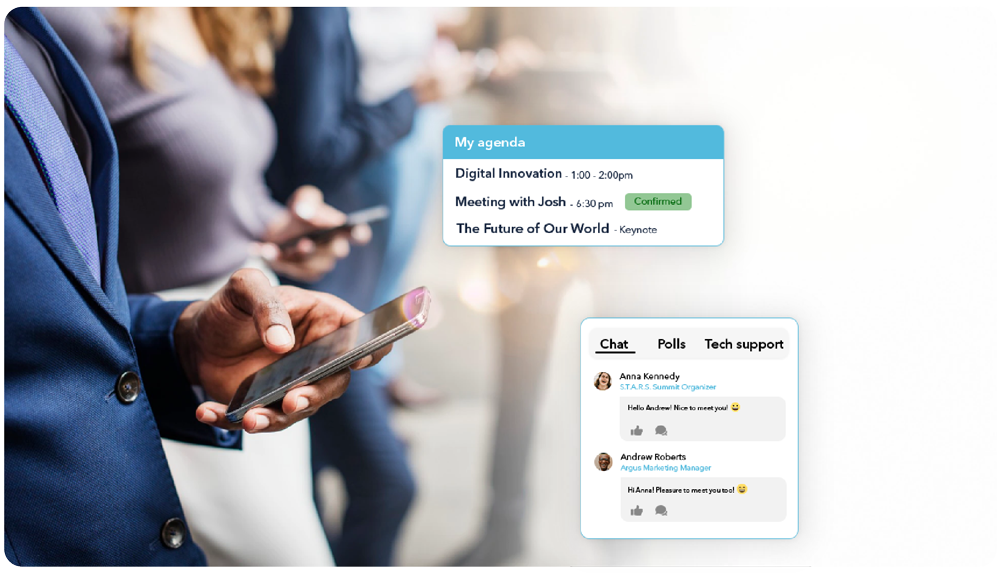
Engaging your attendees is just as important. Event technology can be used to create an interactive experience: mobile event apps, for example, give attendees a personalized event schedule, real-time updates, and interactive features such as live polls and Q&A sessions.
Social media extends that engagement beyond the room. Create a custom hashtag, promote it throughout the event, and encourage attendees to share their experiences. This generates buzz around your event and increases brand awareness.
Influencers have a significant impact on consumer behavior, and partnering with them helps increase brand visibility and credibility. Identify influencers who align with your brand values and have a genuine following among your target audience, then collaborate with them to promote your event, share their experiences, and create content that resonates with their followers.
The event does not end when the attendees leave. Following up afterwards maintains the relationship and keeps building brand awareness: send personalized emails thanking attendees for coming, share event highlights, and offer exclusive deals or discounts. This keeps your brand top of mind and encourages attendees to become loyal customers.
Measuring your results tells you whether the event was successful and where to improve. Set key performance indicators (KPIs) such as attendance, engagement, lead generation, and sales, and track them before, during, and after the event. Then analyze the data and use it to inform your future marketing strategies.
Events let your audience experience your brand directly, which builds awareness, trust, and loyalty in a way other channels cannot. They also create touchpoints across the buyer’s journey and bring marketing, sales, and customer success teams together around shared leads and customers.
It depends on your goal. A product launch is ideal for creating buzz around something new, a trade show suits building industry relationships, and conferences, workshops, and webinars work well for education and lead generation. Match the format to your objectives and your audience’s preferences.
Set KPIs before the event, such as attendance, engagement, lead generation, and sales, then track them before, during, and after. Comparing results against the goals you set at the start shows whether the event delivered and what to adjust next time.
It brings registration, attendee engagement, communication, and analytics into one place, so every step from promotion to follow-up is easier to run and measure. Canapii’s event management platform has powered 2,000+ events for 300,000+ attendees across 45+ countries since 2020.
Canapii’s event management software was built to simplify the work of event organizers, from registration and engagement through to post-event analytics. Request a demo to see how it can elevate your event marketing.