
Resources
Blog
Insights on events, technology, and the future of gathering
Latest articles
Insights on events, technology, and the future of gathering
Quick answer: The most common hybrid event mistakes are neglecting program design, skipping rehearsals and testing, underinvesting in streaming quality and bandwidth, and treating online attendees as an afterthought. Avoid them by designing for both audiences from the start, testing every user journey, and using an event platform that keeps virtual attendees engaged.
When it comes to events, there is little room for error - and hybrid events raise the stakes because you have two separate audiences to cater to. Finding the right venue, building a program that works in person and on screen, managing catering and technical needs, and holding your audience’s attention is hard enough before anything unexpected happens.
The good news: knowing what can go wrong when planning a hybrid event helps you develop your defenses against it. Here is a rundown of the 15 mistakes to avoid if you want your hybrid event to succeed.
The flow of an in-person event varies greatly from a virtual one, so a hybrid event needs a program designed for both audiences from the start. Think carefully about segment transitions, how much of the in-person event your virtual audience needs to see, and how they can engage as though they were in the room. Equally, make sure event technology never gets in the way of the in-person experience.
Mobile event apps have forever changed how events are managed and experienced. With one, organisers can easily share important information, and attendees can access every resource they need from their own devices.
Virtual audiences benefit too: they can receive reminders and notifications, share content in the feed, build personal schedules, and join live polls and other interactive features.
Testing is a non-negotiable step, whatever your event topic and program. That means testing your event technology as well as the overall flow and design. Walk through registering for the event, receiving reminders, joining sessions, and voting in polls, and look for bottlenecks along the way. If something feels confusing or frustrating to you, it will to your attendees too.
Not everyone in a hybrid audience will see sponsors and exhibitors up close, so promote them throughout the event to give them maximum exposure. Offer dedicated breakout sessions where they can meet attendees, weave their logos into your branding and pre-event emails, and create virtual booths where they can answer questions or showcase products during the live stream.
The more your sponsors see value in your event, the more likely they are to sign up again next time.
Rehearsals are essential for any event, and even more so for a hybrid one, where logistics meet the technical challenge of combining multiple platforms into one cohesive experience. The goal is for every participant to feel they are attending the same event, whether they are physically present or joining virtually. Practice makes perfect.

Any event technology needs support staff who know how to work all of your systems. If audio or video goes out, someone has to troubleshoot and get it back quickly, or your virtual audience misses key parts of the event. You also need dedicated support for online registration, event access, and the mobile app - you never know where problems might arise. It is one reason Canapii backs every event with 24/7 support.
Attention spans are short, and packing too much high-value information into a single session or event tires your audience. The same goes for the screen itself: avoid overcrowding it with content or feeding your audience too much at once.
Overly long days overwhelm virtual and in-person attendees alike, and you risk losing engagement and interest. Keep each session to around 45 minutes to an hour, with breaks in between.
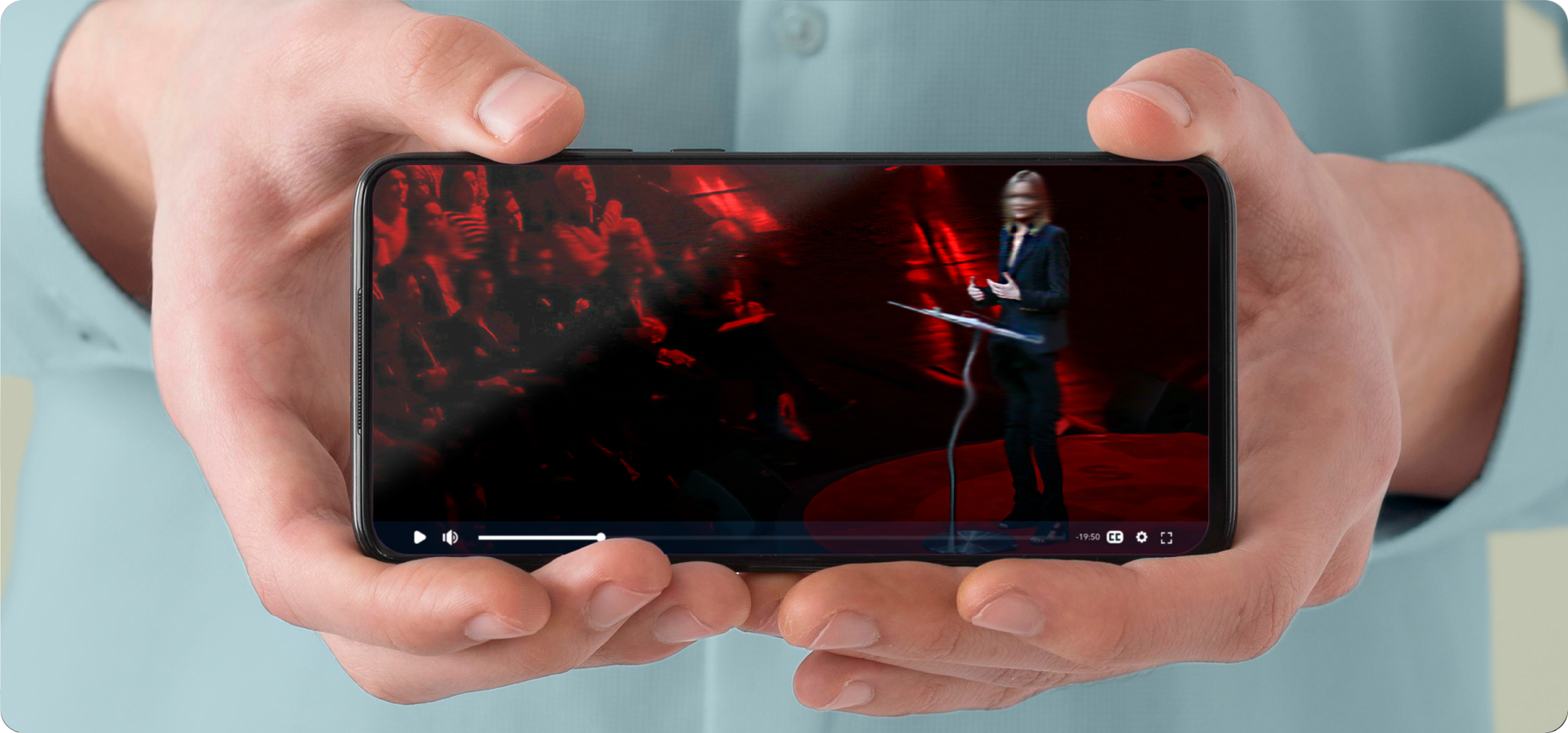
Lots of things can interfere with your streaming quality - camera angle, image quality, lighting, and buffering speed, to name a few. Recognise and address these potential issues before they affect your event.
Failing to secure enough bandwidth to broadcast your virtual sessions reflects poorly on your event. If users cannot see your content clearly, they will struggle to stay with you.
Audience engagement is key to a successful hybrid event, and immersive environments encourage meaningful participation. Use interactive activities such as Q&A sessions, live polls and discussion forums; personalised experiences tailored to individual interests; technology such as AR/VR to push boundaries further; and networking sessions or team-building games that bring attendees together.
Networking is by far one of the most valuable parts of an event, and it takes a unique approach in a hybrid setting because not all attendees can connect face to face. Bridge the gap between the two audiences so everyone can establish connections.
Your speakers arguably make the event successful - for many attendees, they are the reason to sign up. Skipping the speaker walkthrough (entering and exiting the stage, mic-ing up, and so on) can rattle their confidence and distract them from their session.

It is easy to focus your time and attention on in-person attendees because they are right in front of you, but your online audience is watching too and deserves to feel part of the action. Interactive activities, good audio and video quality, and clear communication throughout the event go a long way towards making online audiences feel included.
Hybrid events tend to take more time than purely online or purely in-person events. Allow enough time between sessions for breaks, camera angle changes, troubleshooting, and other nuances. A good rule of thumb is to double your setup and planning time.
Treating the virtual audience as an afterthought. A hybrid event is not an in-person event with a camera pointed at it - the program, engagement, and support all need to be designed for both audiences from the start.
Around 45 minutes to an hour, with breaks in between. Longer sessions and packed days overwhelm both virtual and in-person attendees and drain engagement.
Give them the same footing as the in-person audience: live polls, Q&A, chat, networking, and breakout sessions, backed by reliable streaming and clear communication throughout the event.
A good rule of thumb is to double your setup and planning time. Hybrid events combine the logistics of an in-person event with the technical demands of a virtual one, so buffers between sessions matter too.
Because problems can appear anywhere - audio, video, registration, event access, or the mobile app. Without support staff who know every system, your virtual audience can miss key parts of the event. Canapii provides 24/7 support for exactly this reason.
Canapii has powered 2,000+ events for 300,000+ attendees across 45+ countries, and our all-in-one event management platform helps you avoid every mistake on this list. Explore more tips on the Canapii blog or schedule a demo.