
Resources
Blog
Insights on events, technology, and the future of gathering
Latest articles
Insights on events, technology, and the future of gathering
Quick answer: To measure the ROI of a virtual event, divide total revenue growth by total costs. Track direct and indirect expenses from day one, decide which revenue streams count toward success, use multiple ROI models to answer different questions, and record non-financial wins such as social media growth and attendee satisfaction.
Virtual events became standard practice in 2020 due to the COVID-19 pandemic, and they show no sign of fading to the sidelines. They offer added convenience for attendees, speakers, and exhibitors, while often costing the organizing team less than an in-person gathering.
Still, any business venture needs to be measured for effectiveness, and virtual events are no exception. So how do you calculate the ROI of your virtual event?
Virtual event ROI follows the basic formula: total revenue growth divided by total costs. The formula itself is simple - the real work is in tracking those details accurately, which is why the best practices below matter from the first day of planning.
Your ROI is only as accurate as your cost tracking, so record every expense from the first step of planning. That means the obvious virtual event expenses
Indirect costs include the staff hours you and your colleagues spend planning and executing the event. If you are salaried, your organization would pay that salary anyway, but it is time not spent on other revenue growth initiatives - so it belongs in the calculation.
Revenue is the other half of the ROI formula, and there is more than one way to define it. You could measure the event in isolation, comparing income from ticket sales and virtual exhibitor and sponsor fees against the event’s direct expenses. In most cases, though, an event is a gateway to other types of revenue growth too.
Say your organization is a professional association. On top of ticket sales, exhibitor fees, and sponsor fees, your event might spark an increase in memberships. Or sales in your online store could rise as a result of the event. Either way, decide which factors count toward success and keep careful tabs on those numbers.
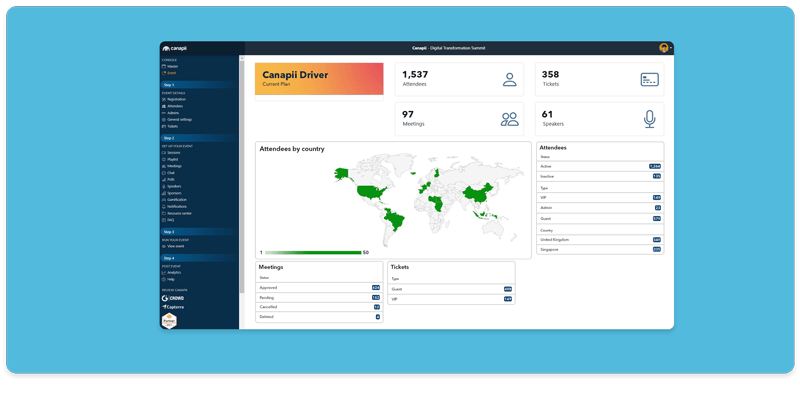
A true ROI should involve all the data you can pull together: direct and indirect costs, revenue from the event itself, and related revenue from other purchases. But different models answer different questions, so don’t be afraid to run more than one for a more complete view.
For instance, one ROI might compare only the direct costs to the direct income from the event, while a second “big picture” ROI accounts for other revenue sources like membership increases and additional purchases.
Not every gain from a great event shows up in the bank right away. Events are investments in your organization’s long-term growth as much as they are short-term revenue sources, so gather metrics that don’t carry a set dollar amount. Ask yourself:
Did your organization’s social media following increase after the event because attendees and speakers were posting about it?
Did member engagement rise because attendees are now more invested in and involved with your organization?
Did the event produce high attendee satisfaction, suggesting many attendees will return as paying attendees at future events?
Did your website views increase around the time of the event, indicating your public awareness has grown?
You might not be able to attach a solid dollar value to any of these, but they are important measures of your event’s success nonetheless.
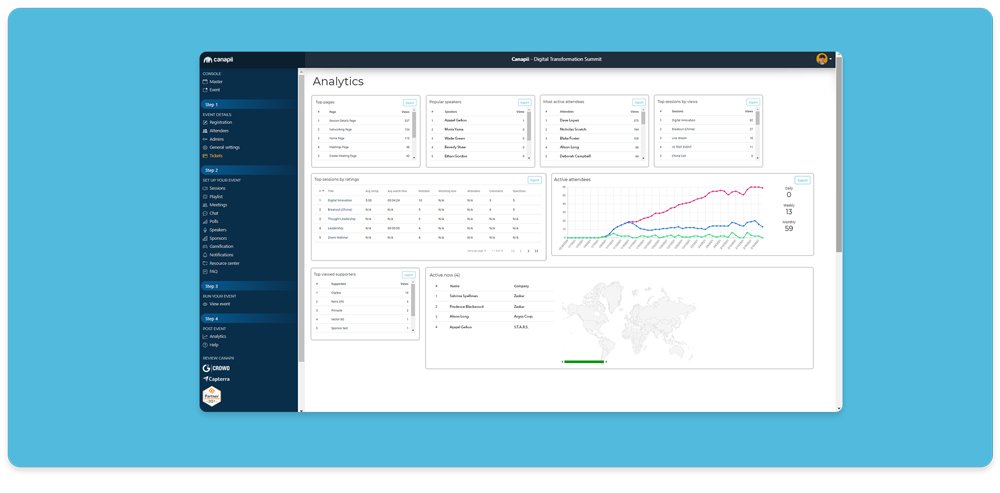
Your ROI lets you compare this virtual event to past events and to the ones you measure next. Those comparisons show which types of events produce the best gains for your organization, so you know what direction to steer future events.
And if you’re looking to land a better ROI next time, the digital platform you choose can make a powerful difference. Canapii’s event platform combines registration, engagement, and analytics tools that make both the revenue and the cost side of your ROI easier to track.
Total revenue growth divided by total costs. Include direct and indirect costs, and decide up front which revenue streams count toward the result.
Direct expenses such as the streaming platform, speakers, and attendee giveaways, plus indirect costs like the staff hours spent planning and running the event.
Yes. Social media growth, rising member engagement, high attendee satisfaction, and increased website traffic are all meaningful success metrics, even without a set dollar value.
Compare ROI across your events to see which formats perform best, and choose an event platform that helps you grow revenue while keeping costs and tracking under control.
Canapii has powered 2,000+ events for 300,000+ attendees since 2020. To see how our platform can optimize the ROI of your next virtual event, reach out to us today.