
Resources
Blog
Insights on events, technology, and the future of gathering
Latest articles
Insights on events, technology, and the future of gathering
Quick answer: A webinar is one type of virtual event - a short, single-topic online session of about an hour. A virtual event is broader: it can span multiple days, cover many sessions and speakers, and offer richer networking, engagement and analytics. Choose a webinar for focused learning and a virtual event for a fuller experience.
Virtual events and webinars are both top choices among event planners. They are both online, they both run on a virtual platform, and they can serve very similar purposes. But the two are not quite the same thing - and picking the right format shapes everything from your agenda to the data you collect.
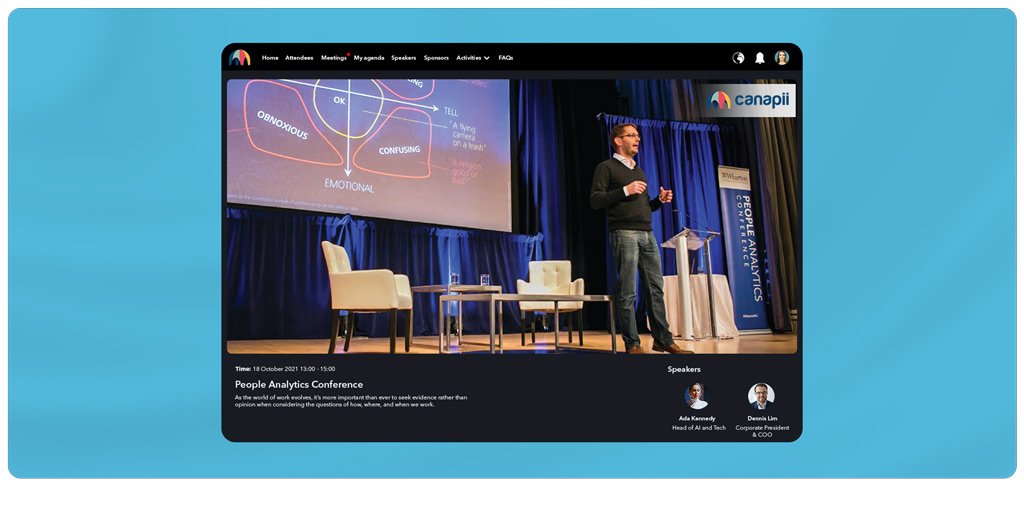
A virtual event is the broad term for any type of event that takes a fully digital format. Event planners use a virtual platform like Canapii
Like an in-person event, a virtual event is usually made up of several segments or sessions and might span an entire day or even multiple days. Virtual events serve a wide variety of purposes, from product launches to conferences to award shows.
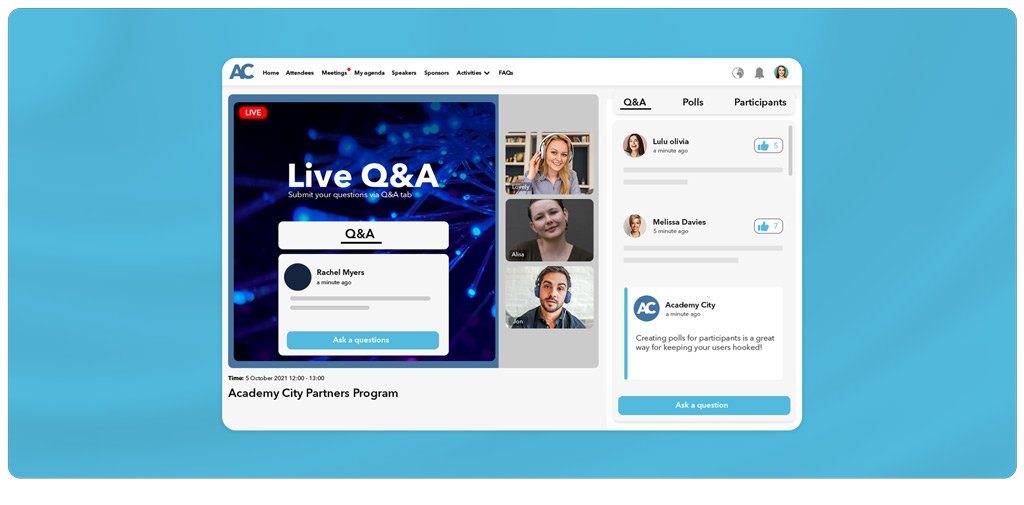
A webinar is one type of virtual event. The word is a portmanteau of “web-based seminar”, and webinars are usually dedicated to learning. They are shorter than other virtual events - about an hour or so - and typically consist of a host plus one or more presenters.

Webinars and virtual events share plenty of similarities, but they are far from interchangeable. With those definitions in mind, here are the six characteristics that set them apart - and when to use each one.
Webinars are very topic-specific. They focus on one subject - how to do something, a state of the industry report, best practices or tips - so attendees walk away with specific insights or next best actions. They are also useful lead generation tools that let the host or speakers connect directly with the audience during live Q&As, or follow up after the session ends.
Virtual events are broader. Because they usually consist of multiple sessions and speakers, they cover more topics and offer more to take away - though attendees may not be interested in every session.
Because webinars are short, attendees usually stay engaged for the whole session and expect some form of Q&A or direct interaction at the end.
Virtual events work differently. With more sessions and speakers on offer, attendees can pick and choose the content that interests them, and they have far more freedom in how and when they engage with the event.
Event engagement is always critical to success: engaged attendees take more away from the experience. In a webinar, attendees are usually committed to seeing it through and know they can raise questions in the Q&A - in other words, they can plan their engagement.
Holding attention across a longer virtual event is harder. Virtual event software can facilitate engagement throughout, but planners need to weave engagement activities in naturally rather than forcing them. Giving attendees ways to interact with speakers and each other helps hold their attention for longer.
Networking is a huge part of any event’s value: attendees share ideas, grow their networks and help each other long after the event ends.
In webinars, networking is fairly limited. Attendees register to learn something specific, and webinar platforms tend to lack networking features anyway. Virtual event software, by contrast, is purpose-built for every aspect of an event - including networking - making it easier for hosts to facilitate and for guests to take part.
Both formats take place online, so the experience feels similar on the surface. But a webinar offers a fairly one-dimensional experience: short and focused on a single topic. A virtual event is more tailored to the individual - attendees choose how and when they engage and have far more control over their own experience.
Both formats generate some data and analytics, but an event platform gives you deeper insights into every phase of the event, from pre-registration engagement through to follow-up. Webinar tools offer comparatively limited data. If you are generating leads or need to learn more about your attendees, an event management platform is the better route.
Yes. A webinar is one specific type of virtual event: a short, single-topic online session dedicated to learning, usually run by a host with one or more presenters. “Virtual event” is the broader term covering any fully digital event, from product launches to multi-day conferences.
A webinar typically lasts about an hour. A full virtual event is usually made up of multiple sessions and can span an entire day or even several days.
Virtual events. Webinar platforms tend to lack networking features, while virtual event software is purpose-built to help attendees connect, share ideas and grow their networks.
Choose a webinar when you have a single, specific topic, a short time slot and a goal of focused learning or lead generation with direct Q&A. Choose a virtual event when you need multiple sessions, networking and a richer, more tailored attendee experience.
Yes. An event management platform like Canapii supports both formats - it has powered 2,000+ events for 300,000+ attendees across 45+ countries, from one-hour webinars to multi-day virtual conferences.
Learn how Canapii is changing the landscape of virtual events - and find the right format for your next one - when you schedule a demo.